Casement vs. Double-Hung Windows: Michigan Guide
Casement vs. double-hung windows Michigan guide: compare energy efficiency, cost, ventilation, and maintenance to pick the right style for your home.
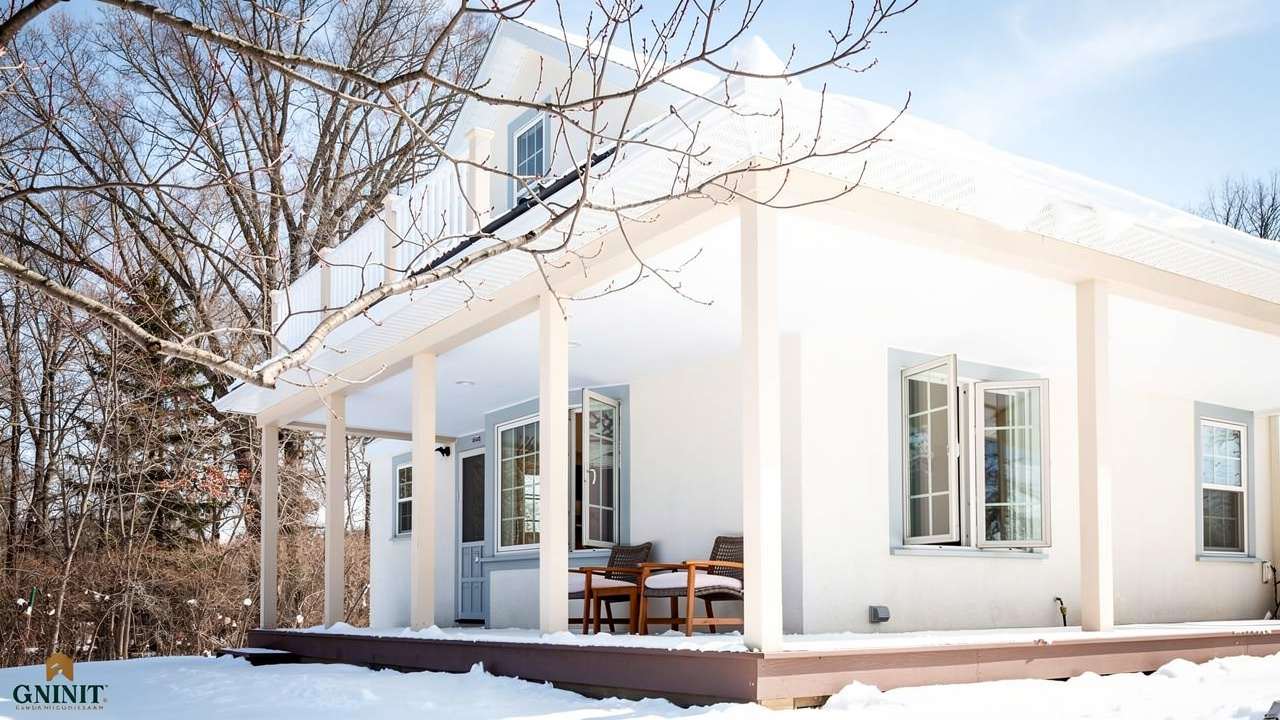
Choosing between casement and double-hung windows for your Michigan home can feel like a bigger decision than it should be. Both styles show up on nearly every replacement quote, yet they handle Michigan's wind, snow, and ice very differently once they're installed. That gap between the showroom pitch and real winter performance is exactly why so many homeowners get stuck.
This casement vs. double-hung windows Michigan guide breaks the choice into plain terms. Casement windows crank outward on hinges like a door and seal tight against the frame. Double-hung windows slide up and down on two separate sashes and cost less upfront. I'll walk through how each one operates, which handles Michigan winters better, what they cost, and how to match the right style to each room in your house.
By the end, you'll have a clear framework instead of a guessing game. Midwest Exteriors works with homeowners across Traverse City and Northern Michigan on exactly this decision, so let's get into the details.
Key Takeaways
- Casement windows crank open and seal tighter against the frame, giving better energy efficiency and stronger ventilation when fully open.
- Double-hung windows typically cost 15% to 20% less than casement windows and are easier to maintain over the years.
- Michigan winters favor the compression seal on casement windows, though double-hung windows still hold up well in the cold with proper weather stripping.
- Plenty of homeowners mix both styles, using casement windows in kitchens and bathrooms while keeping double-hung windows everywhere else.
- Professional installation matters just as much as which window style you pick, since even the best window underperforms if it's fitted poorly.
How Do Casement and Double-Hung Windows Work?
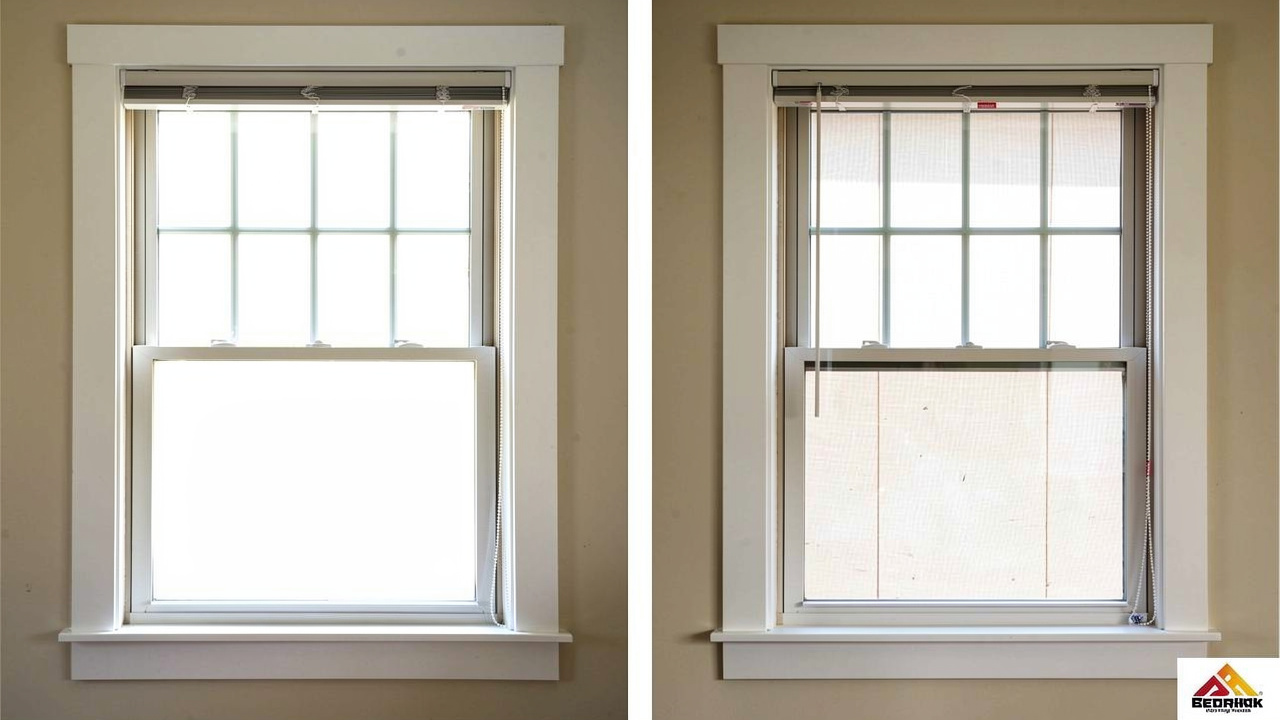
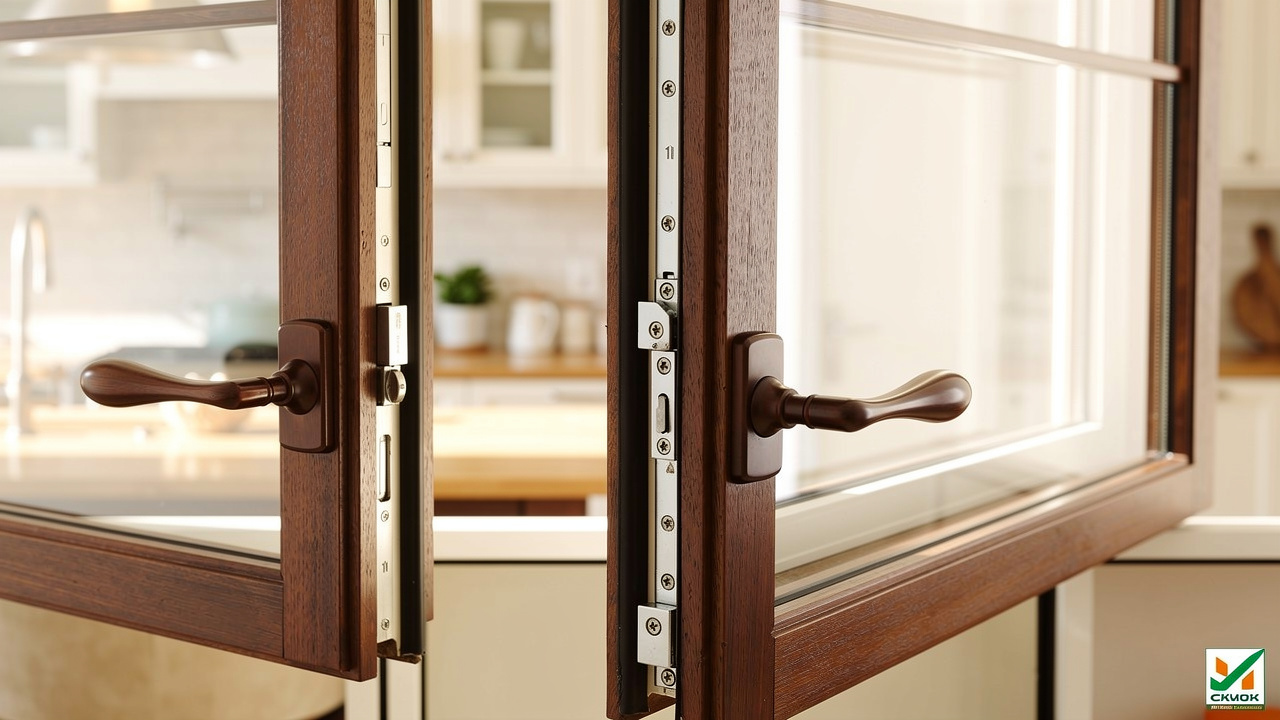
Casement and double-hung windows use completely different mechanisms, and that one difference explains almost every other distinction in this guide. A casement window hangs on side hinges and opens outward with a hand crank mounted below the glass, similar to swinging open a door. Turning the crank pushes the whole sash out to an angle of up to 90 degrees, and the same crank locks the window shut when you turn it the other way. There are no tracks or sliding parts involved, just a hinge and a gear mechanism.
Double-hung windows work on a completely different system built around vertical motion. Two separate sashes, an upper and a lower one, ride inside tracks called jambs built into the window frame. You can raise the bottom sash, lower the top sash, or move both at once, which gives you more combinations for airflow than a single crank allows. Both sashes stay flush with your exterior wall whether they're open or shut, so there's no outward swing to plan around near walkways or patios.
Which Window Offers Better Energy Efficiency in Michigan?
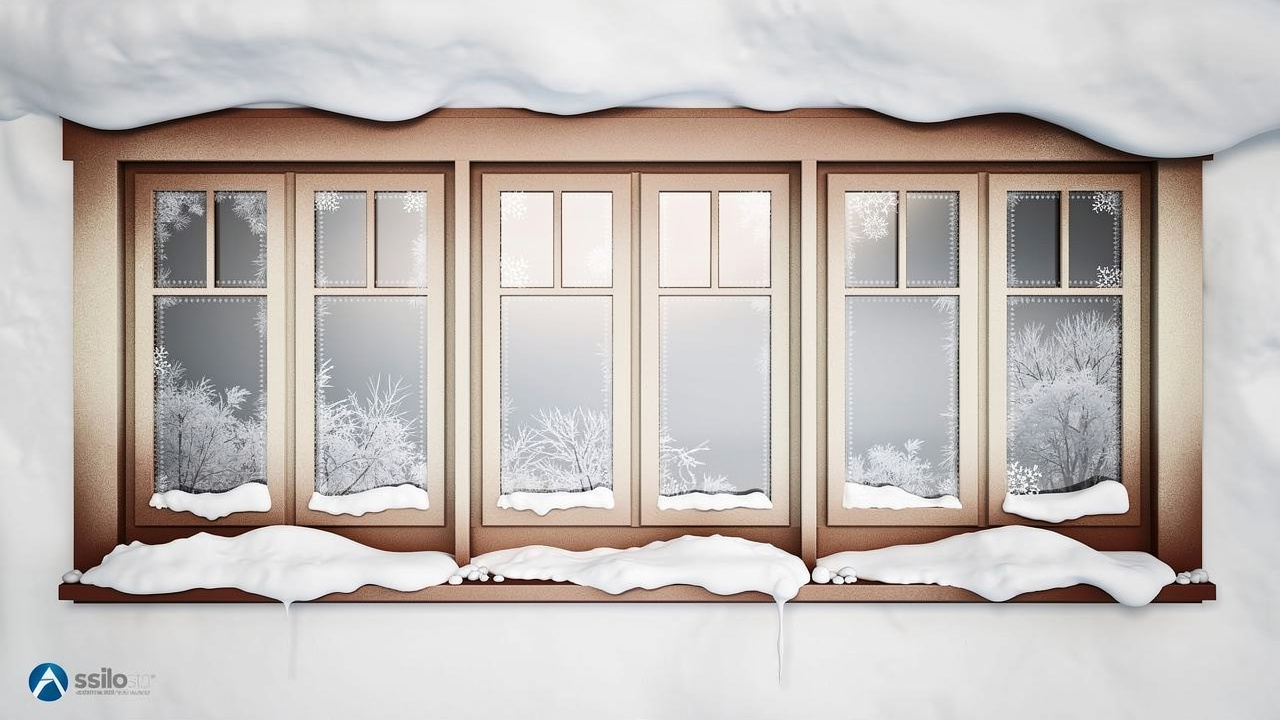
Casement windows generally deliver better energy efficiency in Michigan because of how the sash seals against the frame. When you crank a casement window shut, the sash presses evenly against all four sides of the frame, almost like a refrigerator door sealing closed. Tightening the crank further increases that pressure, squeezing out drafts rather than relying on a track system that can loosen with age. This compression seal is a real advantage during long Michigan winters, since even small gaps around a window can let cold air creep in for months at a time.
Double-hung windows rely on a different approach built around weather stripping along the jambs and the center check rail. Quality modern double-hung windows often use several continuous weather strips to close up most of the gap, and that design has improved a lot over the past few decades. The sliding mechanism itself still creates more potential points for air movement than a sealed casement design, though, which is simply a tradeoff of how the window operates.
Upgrading double-hung windows with triple-pane glass and low-emissivity coatings narrows this gap considerably and can bring their performance close to casement levels. A window's U-value, which measures how much heat escapes through the glass and frame, tends to favor casement windows slightly, and research on sustainable increase in thermal resistance of window construction shows how sealing and cavity design can further reduce heat loss even after these upgrades. For most Michigan homes, the real-world difference in heating bills between a well-built casement and a well-built double-hung window is smaller than people expect, especially once both are installed correctly.
Ventilation, Views, and Everyday Use
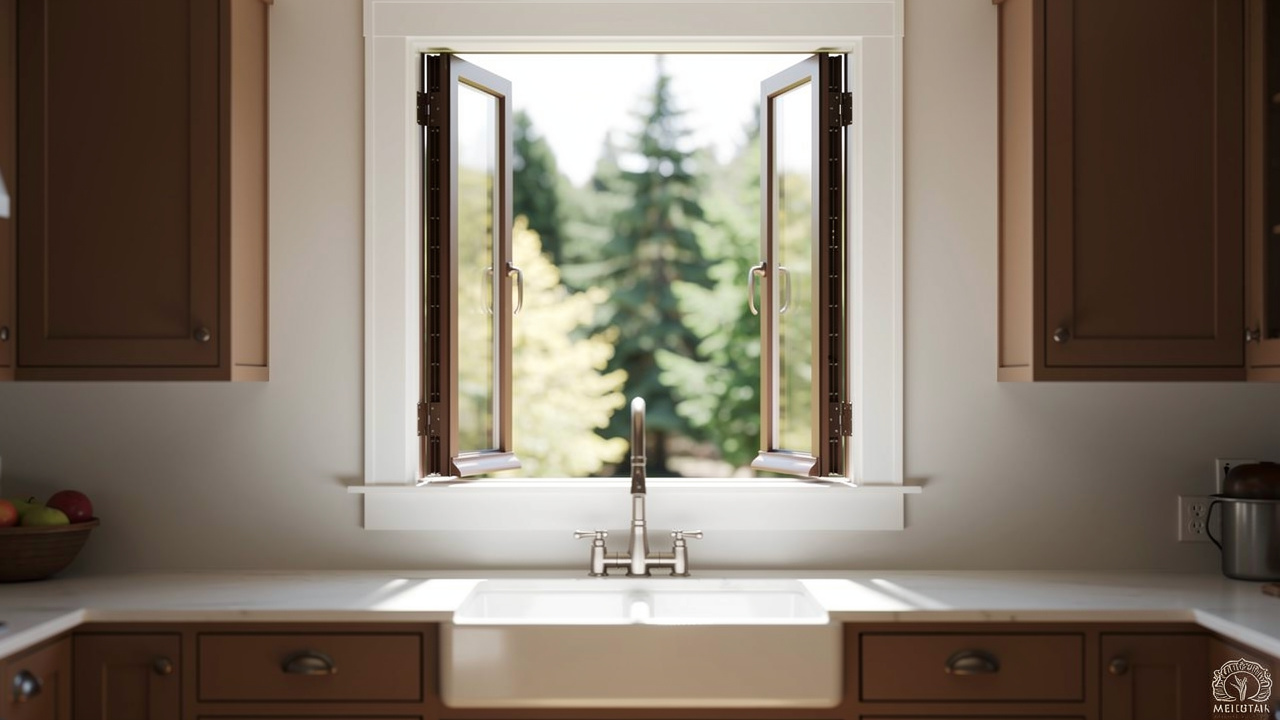
Casement windows and double-hung windows handle airflow, views, and daily operation in ways that affect how much you actually enjoy living with them after installation.
- Casement windows catch cross-breezes especially well because the open sash acts like a scoop, funneling outside air straight into the room, which makes them useful for cooling a house naturally during Michigan's mild spring and fall stretches.
- They also give you a clean, unbroken view of the yard or lake since there's no horizontal bar splitting the glass, something homeowners with a water view or wooded lot tend to notice right away.
- Double-hung windows trade that single wide view for flexibility, letting you crack the top sash to vent hot air upward while opening the bottom sash to let cooler air in near the floor, creating a gentle natural circulation without any crank involved.
- For day-to-day operation, casement windows are often the easier pick for anyone with limited grip strength or mobility concerns, since turning a crank takes less effort than lifting a sash against gravity, and that makes them a smart choice above a kitchen sink or in a hard-to-reach spot.
- Double-hung windows answer a different need for families with young kids or pets, because you can leave just the top sash cracked for air while keeping the bottom sash locked shut, which removes the fall risk that comes with a fully open casement window at floor level.
Maintenance and Mechanical Reliability
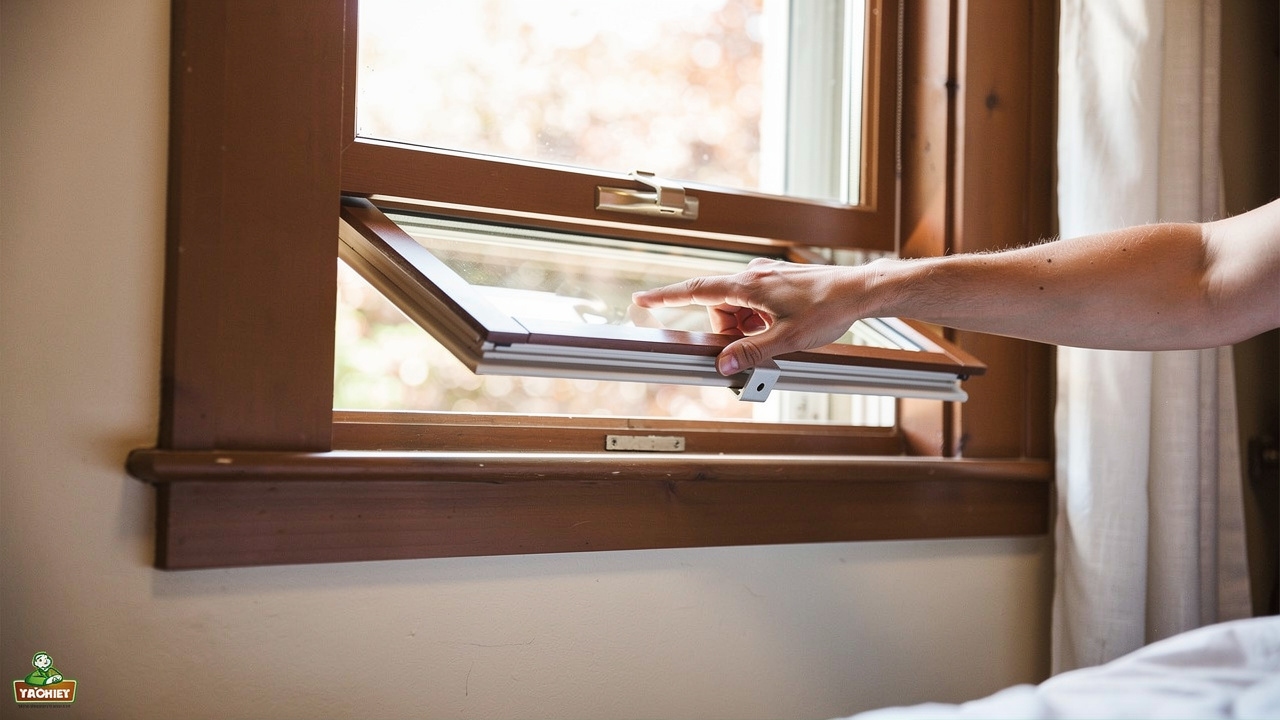
Double-hung windows generally need less upkeep over time simply because they have fewer moving parts than casement windows. The most common issue is a tired sash balance, the spring system that holds the lower sash up, which can wear out after many years and cause the window to slide back down on its own. Casement windows ask for a bit more seasonal attention, mainly lubricating and checking the crank mechanism so it doesn't loosen or seize up over time. A crank that's quietly loosening won't always announce itself right away, and homeowners sometimes only notice once a higher heating bill shows up months later.
Cleaning habits differ quite a bit between the two styles as well. Double-hung sashes tilt inward, so you can wipe down the exterior glass from inside your living room even on a second floor, which saves you from ever setting up a ladder. Casement windows are easy to clean on the inside, but reaching the exterior glass upstairs often means renting or borrowing a ladder, or calling in a professional window cleaner for that job.
What Do Casement and Double-Hung Windows Cost in Michigan?
Double-hung windows typically cost 15% to 20% less than casement windows of the same size, a gap confirmed by recent window replacement cost data showing casement units carry a consistent premium across manufacturers and price tiers. The savings come from simpler manufacturing, fewer hardware parts, and heavier competition among suppliers, since double-hung remains the most common window style sold in the northern United States. On a whole-home project covering ten to fifteen windows, that price difference can add up to real savings on your total installation bill.
Casement windows carry a higher price tag because of the crank hardware, hinge assemblies, and tighter sealing components built into each unit, with real cost numbers showing casement models often run 10 to 30 percent above a comparable double-hung. Some homeowners justify the extra cost through lower heating bills over time, and a breakdown of window replacement cost and ROI shows the actual payback period depends on your local energy rates and how many windows you're replacing. Repair costs follow a similar pattern, since double-hung parts tend to be simpler and more affordable to replace than a casement crank mechanism.
Choosing the Right Window for Your Michigan Home
Matching window style to the room usually matters more than picking one style for the entire house. Casement windows fit modern or contemporary homes well, and they shine above kitchen sinks, in bathrooms, and in any spot where reaching a sash to pull it open would be awkward. Double-hung windows suit traditional, colonial, and cottage-style Michigan homes, and they're the practical pick for any room where you plan to run a standard window air conditioning unit, since casement windows can't accommodate one without a specialized and pricier model.
Whichever style you land on, installation quality decides whether that window performs the way it's supposed to for the next twenty or thirty years. Midwest Exteriors installs replacement windows across Traverse City and Northern Michigan using its own employed crews rather than subcontractors, and it follows manufacturer specifications on every job so the seal, flashing, and hardware work the way they were designed to. Giving homeowners a real scheduled installation date, rather than a vague follow-up promise, is part of how the company keeps projects on track from the first estimate through the final walkthrough.
The Takeaway
Casement windows win on energy efficiency and ventilation thanks to their compression seal and wide-open crank design, while double-hung windows win on upfront cost and long-term maintenance thanks to their simpler moving parts. Neither style is universally better, and the right pick really comes down to your budget, your home's architectural style, and which rooms need the most airflow or the easiest cleaning access.
Plenty of Michigan homeowners settle the debate by using both, placing casement windows in kitchens and bathrooms while keeping double-hung windows in bedrooms and living spaces. If you're still weighing casement vs. double-hung windows for your own Michigan home, talking through your specific rooms, budget, and priorities with a trusted local installer makes the decision a lot easier to finalize.
Frequently Asked Questions
Here are quick answers to the questions I hear most often from homeowners comparing these two window styles.
Can Casement Windows Handle Michigan's Strong Winds?
Yes, but strong wind gusts can put stress on the hinges and crank mechanism over time, especially in exposed coastal areas of Northern Michigan. Proper installation and occasional hardware checks reduce this risk considerably. Most homeowners never notice an issue as long as the crank gets inspected every so often.
Do Double-Hung Windows Work With Window Air Conditioners?
Yes, double-hung windows are built to fit standard window air conditioning units without any modification. Casement windows don't offer that same opening shape, so they require specialized and more expensive AC units if you want supplemental cooling in a specific room.
How Long Do Casement and Double-Hung Windows Typically Last?
Both styles can last 20 to 30 years or more with quality materials and proper installation. Lifespan depends far more on maintenance habits, like lubricating a crank or checking a sash balance, than on which window style you originally chose.
Can I Mix Casement and Double-Hung Windows in the Same House?
Yes, this is a common and practical approach for Michigan homes. Many homeowners choose casement windows for kitchens and bathrooms where ventilation and crank ease matter most, then stick with double-hung windows in bedrooms and living areas for cost savings and easy cleaning.
Which Window Type Is Better for Emergency Exits?
Double-hung windows generally allow faster, wider emergency exits since either sash can open fully in one quick motion. Casement windows also provide a full opening, but turning a crank takes a bit longer than simply lifting a sash during an urgent situation.