Energy Efficient Storm Windows: Savings Guide for 2026
Learn how energy efficient storm windows cut drafts and save up to $350 a year, plus when to choose storm windows over full replacement for your home.
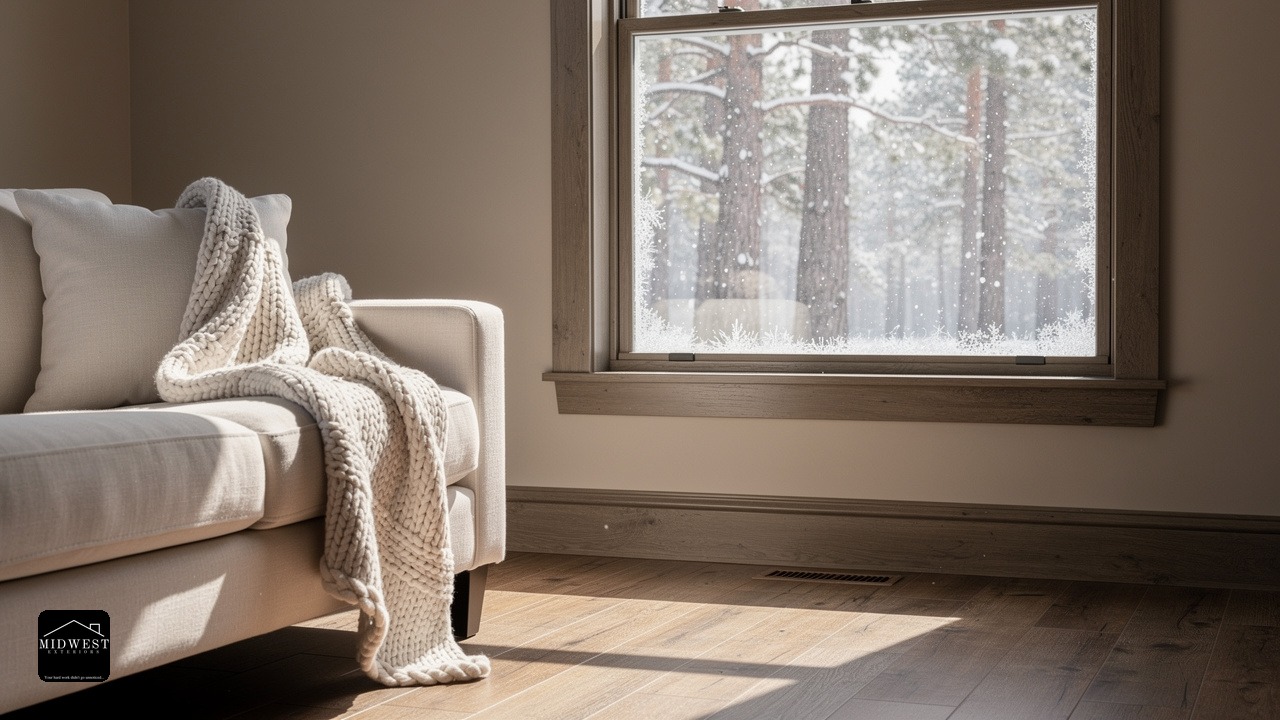
Winter mornings in Traverse City have a way of finding every weak spot in an old window frame. Cold air creeps in around the sash, the glass fogs up, and the furnace runs longer than it should just to keep the living room comfortable. Energy efficient storm windows offer one of the most affordable fixes for this problem, and they do it without tearing out windows that still work fine.
An energy efficient storm window is a secondary panel installed over your existing window, usually fitted with a low-e glass coating that reflects heat back into the room instead of letting it escape. In this article, I will cover how that low-e technology works, what kind of savings homeowners can realistically expect, and how to tell whether storm windows or full window replacement fits your home better. I will also walk through proper installation and answer the questions I hear most from Northern Michigan homeowners getting their homes ready for winter.
Key Takeaways
- Energy efficient storm windows use a low-e glass coating that reflects heat back indoors in winter, cutting drafts without replacing the whole window.
- Homeowners typically save around $350 a year over single-pane windows, with a payback period near three years.
- Storm windows work best over primary windows that are still sound, while rotted or damaged frames call for full replacement instead.
- Frame material, glass type, and climate-zone labeling all affect how much a storm window actually saves in a Northern Michigan winter.
- Even a well-made storm window underperforms if it is not installed correctly, so proper caulking and sealing matter as much as the product itself.
What Makes a Storm Window "Energy Efficient"?
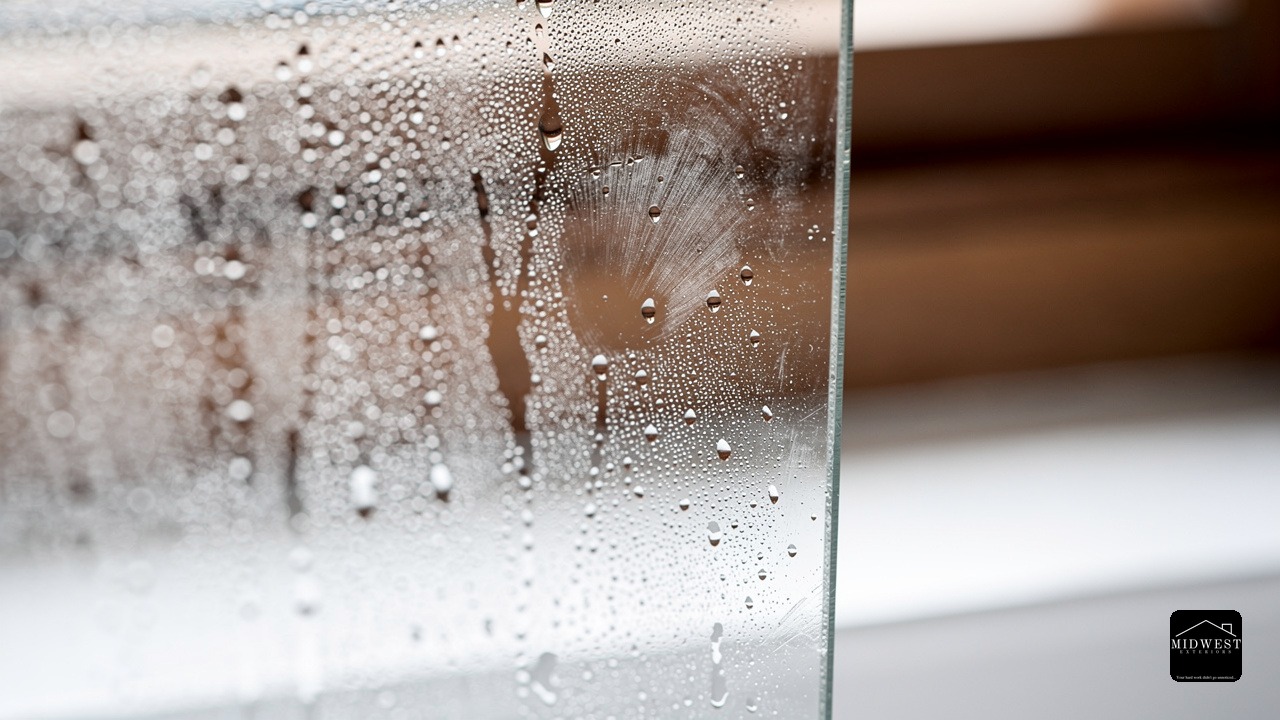
Energy efficient storm windows get their name from the low-e glass coating doing the real work behind the scenes. Low-e stands for low emissivity, which just means the glass resists giving off or absorbing heat the way plain clear glass does. This coating is a microscopically thin layer, so thin you cannot see it, bonded to the glass during manufacturing. In winter, that layer reflects heat from your furnace back into the room instead of letting it escape through the glass. In summer, the same coating can block solar heat from building up inside, taking some load off your air conditioner.
Beyond the glass itself, storm windows add something just as valuable, a sealed pocket of dead air between the storm panel and your existing window. That trapped air layer slows down how fast heat moves through the window assembly, almost like an extra blanket over the glass. It also cuts down on air infiltration, which is the drafty feeling you get standing near an old window on a windy day. Together, the low-e coating and the dead air space are why a storm window can change how a room actually feels in January, not just how your heating bill looks. None of this requires replacing the primary window underneath, which is why storm windows cost less than full replacement while still making a real difference in comfort.
Why the ENERGY STAR Label Matters
The ENERGY STAR label tells you a storm window has been tested against real standards, not just marketed as efficient. To earn the label, a storm window must meet requirements for emissivity, solar transmittance, and air leakage, with routine performance verification rather than a one-time test. The Department of Energy has even recognized leading storm window and window attachment programs for their energy-saving impact, which is why the ENERGY STAR label carries real weight when comparing products at a home improvement store or through a contractor.
What many homeowners miss is the climate zone map printed right on the label. Certified storm windows are rated for either a North/North-Central zone or a South-Central/Southern zone, since the right coating depends on local climate. Northern Michigan sits in the colder zone, so matching that label to your region is not optional if you want the savings you are paying for.
How Much Can Energy Efficient Storm Windows Actually Save?
Energy efficient storm windows can save real money, and the numbers back it up. According to ENERGY STAR's storm window energy savings estimates, certified low-e storm windows save homeowners about $350 a year on heating and cooling, roughly 10 percent, when installed over single-pane windows with no storm protection at all, a finding echoed by personal finance coverage showing windows really are costing homeowners money before you spend thousands on new windows. Most homeowners recover that upfront cost in about three years.
If you already have older clear-glass storm windows, upgrading to low-e versions can still save an additional $50 a year on average, about 2 percent off heating and cooling costs. Your actual savings depend on local climate, utility rates, and how airtight your existing windows already are, so treat these figures as a starting point rather than a guarantee.
Storm Windows vs. Full Window Replacement: Which Is Right for Your Home?
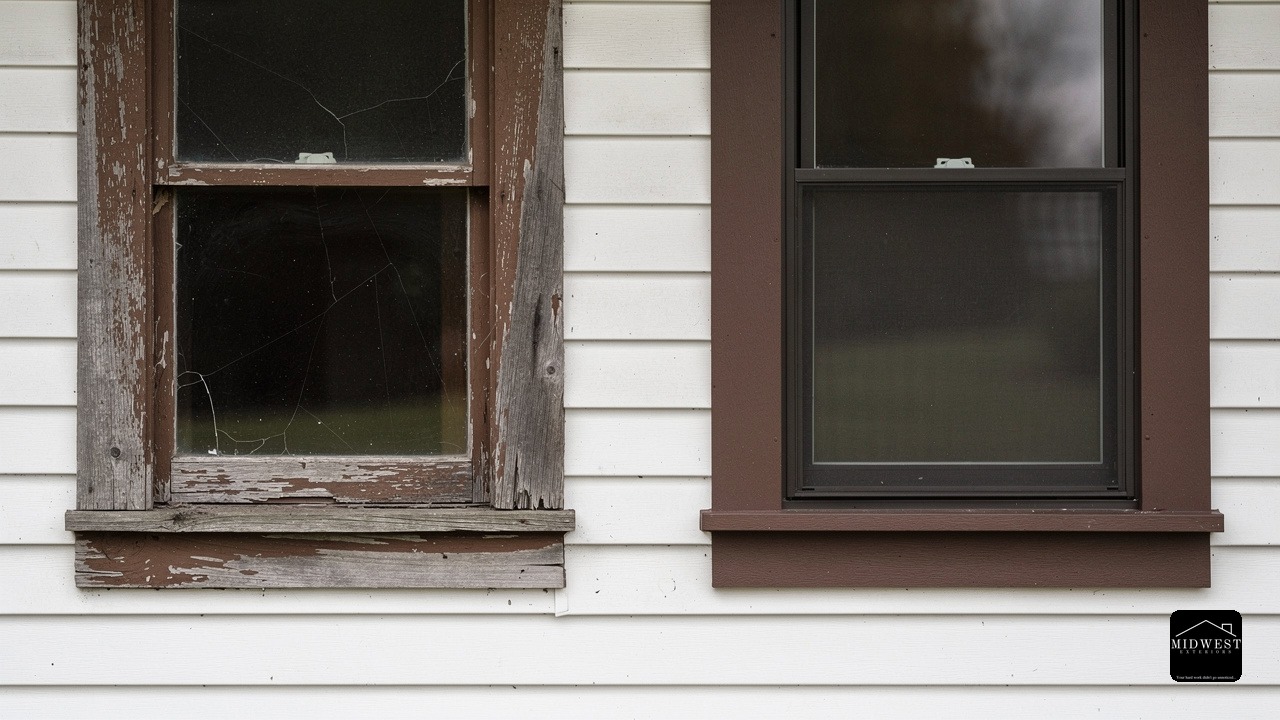
Deciding between energy efficient storm windows and full window replacement comes down to the condition of what you already have. Storm windows work best when installed over a primary window that still opens, closes, and seals the way it should, since they are built to improve a sound window rather than fix a broken one. If your current windows are rotted at the sill, cracked, or so warped that they no longer latch properly, adding a storm panel on top only hides a problem that keeps getting worse underneath.
In that case, full replacement is the more honest fix, even though it costs more upfront. A full replacement window comes with its own complete frame and at least two layers of glass, often using the same low-e coating technology found in storm windows, and a recent life-cycle analysis of residential window retrofits found measurable emissions reductions and payback periods that make this built-in insulating benefit worthwhile over time. That matters for older Northern Michigan homes where decades of freeze-thaw cycles have already stressed the original wood frames. Storm windows are the right call for a window that just needs help. Replacement is the right call for a window that is failing structurally, no matter what coating gets added to it.
Questions to Ask Before You Decide
Before buying, walk through a short checklist with your own windows in mind:
- Single-pane windows see the biggest gains from a low-e storm window, while double-pane clear glass windows still benefit, just with a longer payback period.
- Metal-framed windows need extra attention too, since aluminum conducts outside temperature through the frame, so look for storm windows with thermal breaks, small non-metal separators that stop that heat transfer.
- If a window needs to open for cleaning or serves as an emergency escape route in a bedroom, choose an operable storm window rather than a fixed one.
- If your home sits in a historic district, confirm with local preservation rules before ordering, since some districts have specific requirements about altering window appearance.
What Should Northern Michigan Homeowners Know Before Replacing Windows?
Northern Michigan homeowners who decide replacement is the better route still need to know what a trustworthy installation looks like before signing anything. Midwest Exteriors is based in Williamsburg, just outside Traverse City, and every window installed goes in with an employed crew rather than a rotating group of subcontractors. That matters because the estimator who measures your openings is the same person who briefs the installers before they arrive, so nothing gets lost between the sales visit and the actual work.
Most window replacement jobs the company handles are finished in a single day, and every opening taken apart gets sealed again before the crew leaves, so your home is never left exposed overnight. Before any order goes to the factory, you get a written estimate and a real calendar date for installation, not a vague promise to follow up later. That kind of clarity matters more in a region where winter does not wait for a delayed shipment or a rescheduled crew. Whether you end up choosing storm windows, full replacement, or a mix of both, working with a local company that stands behind its own labor gives you someone to call if anything needs attention after the install.
Choosing the Right Window Style for Your Home
Window style affects how tightly a replacement window seals, which matters as much as the glass package you choose. Double-hung windows remain the regional default because they are familiar and easy to clean, with two sashes that tilt in. Casement windows often seal tighter against wind, since the crank mechanism compresses the weather seal fully around the frame as it closes, worth considering on a wall that takes the brunt of winter wind.
Picture windows take a different approach entirely. Because they have no moving parts and no operating seal to wear down over time, they remove a potential point of air leakage altogether, which is why they often get paired with a casement or awning window nearby for ventilation.
How Do You Get Storm Windows Installed the Right Way?
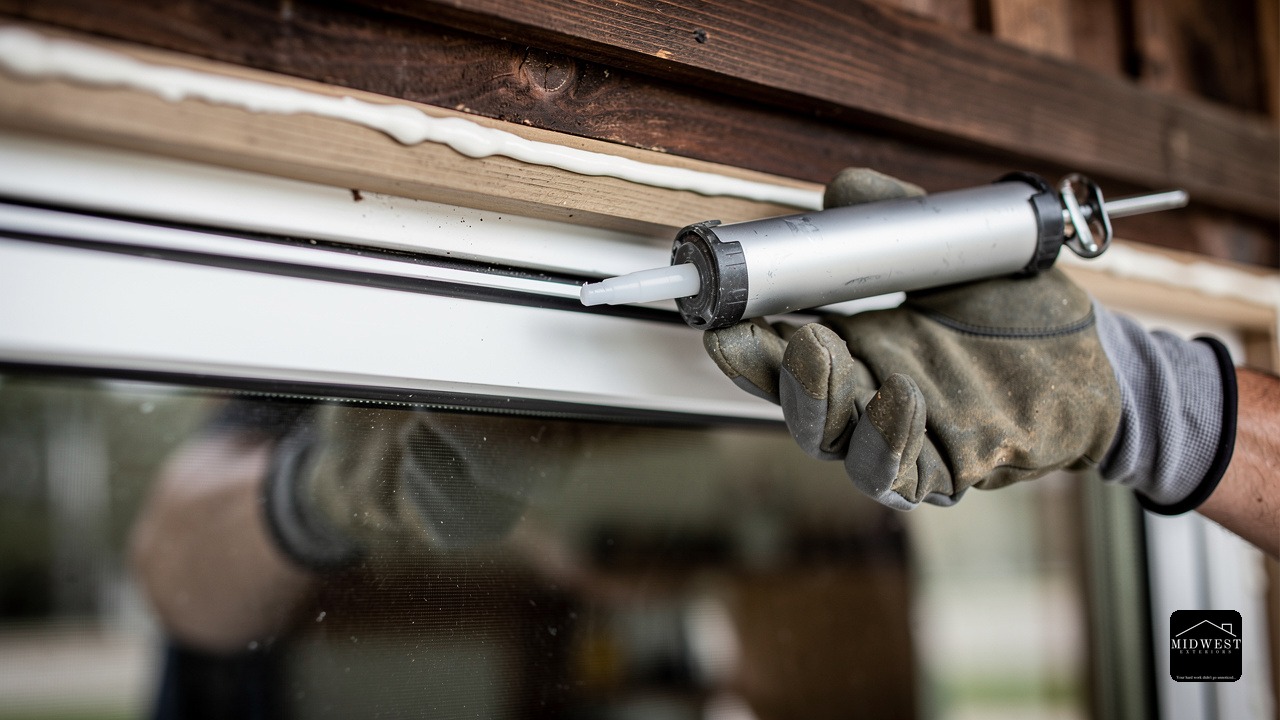
Correct installation is what separates a storm window that performs from one that just looks efficient. Caulk belongs along the top and sides of the window opening, but the bottom sill should never be caulked. Exterior storm panels have small weep holes at the bottom that let condensation drain out, and sealing that gap traps moisture instead, which can lead to wood rot over time.
This is one reason professional installation pays off. A contractor who installs storm windows regularly checks that screws land in solid wood, confirms the panel sits centered and squared, and catches problems with the primary window before closing everything up, mistakes a first-time DIY installer can easily miss.
To Sum Up
Energy efficient storm windows give Northern Michigan homeowners an affordable way to cut drafts and lower heating bills, especially over single-pane windows that never had storm protection before. They work best as an upgrade to a window that is already sound, not as a patch for one that is rotted or failing, and the ENERGY STAR label combined with the right climate-zone match is what actually delivers the savings the EPA numbers promise.
If you are not sure which category your windows fall into, a local, in-person look at your home will tell you more than any online guide ever could. Midwest Exteriors offers a free, written, in-home estimate for window replacement across Traverse City and the surrounding area, so you can compare the real cost of storm windows against full replacement before committing to either one.
Frequently Asked Questions
Can I install storm windows over old, drafty windows instead of replacing them?
Yes, as long as the primary window is still structurally sound and opens, closes, and latches correctly. If the window is rotted, cracked, or damaged beyond reasonable repair, a storm window only hides the problem, and replacement becomes the better long-term fix.
Do storm windows work in very cold Northern Michigan winters?
Low-e storm windows are especially effective over single-pane windows in cold climates, since they reduce drafts and reflect heat back into the room. Before buying, confirm the product's climate-zone label matches the North/North-Central zone used for this region.
Will storm windows make my home too dark or block my view?
Low-e coatings are nearly invisible to the eye, though they can slightly reduce light, especially layered over glass that is already tinted. Choosing a clear low-e option keeps this effect minimal for most homes and rooms.
How long does it take to install storm windows or replacement windows?
A DIY storm window install can take a full weekend, depending on how many openings a home has. Midwest Exteriors typically completes full window replacement jobs in a single day, sealing every opening before the crew leaves for the day.
Are storm windows a good option for historic homes in Northern Michigan?
Yes, low-e storm windows can preserve a historic window's original look while still improving energy performance. Always confirm with local historic preservation rules before ordering, since some districts have specific requirements about altering window appearance.
Do storm windows help reduce outside noise, not just energy costs?
Yes, the added air space and extra pane of glass can noticeably cut down on outside noise. This makes energy efficient storm windows a helpful bonus for homes on busier streets or near main roads.