Energy Efficient Windows Tax Rebate: What Homeowners Should Know
Learn how the energy efficient windows tax rebate works, who qualifies, how much you can claim, and how to file before the December 31, 2025 deadline.

If you're planning to replace old, drafty windows in Traverse City or anywhere in Northern Michigan, you may qualify for an energy efficient windows tax rebate worth up to $600 a year. Plenty of homeowners never claim it. They assume window replacement is just a home improvement project, not something the IRS rewards at tax time.
The rules around this credit can feel confusing. There are annual dollar caps, a specific certification level, climate zone requirements, and a form to file. Without a clear breakdown, it's easy to miss money you're owed or assume your project doesn't qualify when it actually does.
The energy efficient windows tax rebate is a federal tax credit that covers 30% of qualifying window costs, up to $600 per year, through the Energy Efficient Home Improvement Credit. In this article, I'll walk through who qualifies, how much you can claim, how to verify your windows meet the ENERGY STAR Most Efficient standard, and how to file for it. I'll also cover how rebates factor in and where a company like Midwest Exteriors fits into the process.
Key Takeaways
- The energy efficient windows tax rebate covers 30% of window costs, up to $600 per year, calculated on the product price alone.
- Windows must meet ENERGY STAR Most Efficient certification, which is verified by your specific climate zone, not a general label.
- The credit applies only to your principal residence, not rental units or newly built homes.
- Labor costs for window installation don't count toward the credit, only the product itself does.
- The program currently ends December 31, 2025, so the timing of your project matters.
What Is the Energy Efficient Home Improvement Credit?
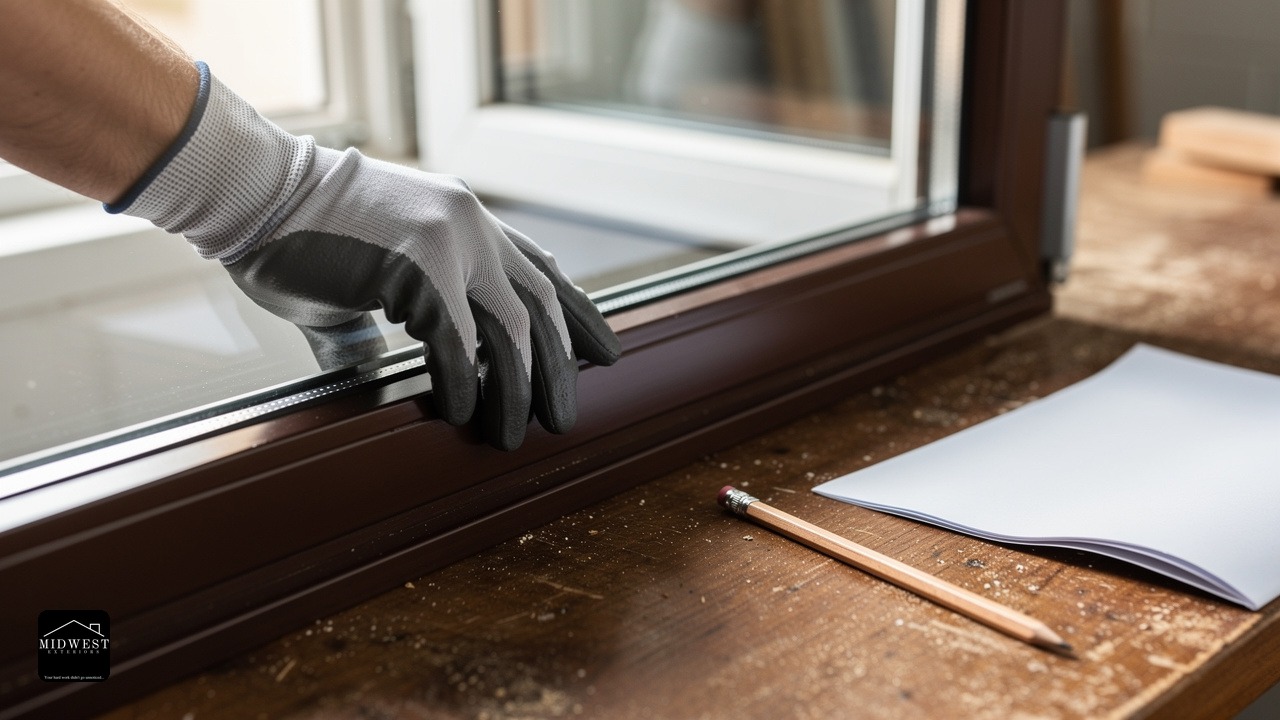
The Energy Efficient Home Improvement Credit is a federal tax credit that refunds 30% of the cost of qualifying home upgrades, up to $3,200 total per year, a provision detailed in IRS guidance on home energy credits for installing solar panels and making other home improvements. It's claimed on IRS Form 5695 when you file your federal income tax return for the year the work was completed. The credit covers several categories, including windows, doors, insulation, and certain heating and cooling equipment, each with its own dollar cap within that larger yearly limit.
This credit is nonrefundable, which means it can lower what you owe in taxes to zero, but it won't generate a refund beyond that. There's no lifetime limit, though. You can claim it again in a future year if you make more eligible improvements, as long as the program stays in effect through December 31, 2025.
How Much Can You Claim for Windows?

Windows and skylights together qualify for up to $600 per year under the energy efficient windows tax rebate, calculated as 30% of the product cost, a figure confirmed by preliminary IRS data on the energy efficient home improvement credit's first year of claims. That means if you spend $2,000 on ENERGY STAR Most Efficient windows, you'd be entitled to the full $600. Spend less than that, and your credit drops proportionally, since it's based on a percentage of actual cost, not a flat payout.
Only the window product cost counts toward this credit, not installation labor, a distinction also addressed in a detailed FAQ on the window tax credit for homeowners weighing replacement timing. Windows also share a broader $1,200 annual cap for building envelope improvements, a category that includes doors, insulation, and skylights combined, an area where a recent industry survey on reducing the cost of home energy upgrades found cost remains a major barrier for homeowners. If you're also replacing an entry or patio door, exterior doors are capped separately at $250 per door and $500 total per year, within that same envelope limit.
Which Windows Actually Qualify?
Qualifying windows must meet ENERGY STAR Most Efficient certification, a higher bar than the standard ENERGY STAR label you'll see on most products at a home improvement store. This distinction catches a lot of homeowners off guard, since not every ENERGY STAR window meets the stricter threshold required for the energy efficient windows tax rebate. The product also has to be new, not used, and installed in your home between January 1, 2023, and December 31, 2025. Verifying a specific window takes three steps.
- Before buying, it helps to consult a buying guide for choosing replacement windows that explains how performance ratings vary by climate and construction type. Northern Michigan falls into a colder zone than much of the Lower Peninsula's southern counties, so the efficiency bar here is higher than it would be further south.
- Locate the Certified Product Directory number, often shortened to CPD, printed on the window's label. This number identifies the exact product and its tested performance ratings.
- Search that CPD number in the National Fenestration Rating Council directory, known as NFRC. If the box for your climate zone shows green, the product qualifies. If it doesn't, the window isn't eligible, no matter what the sticker claims.
Why Climate Zone Matters in Northern Michigan
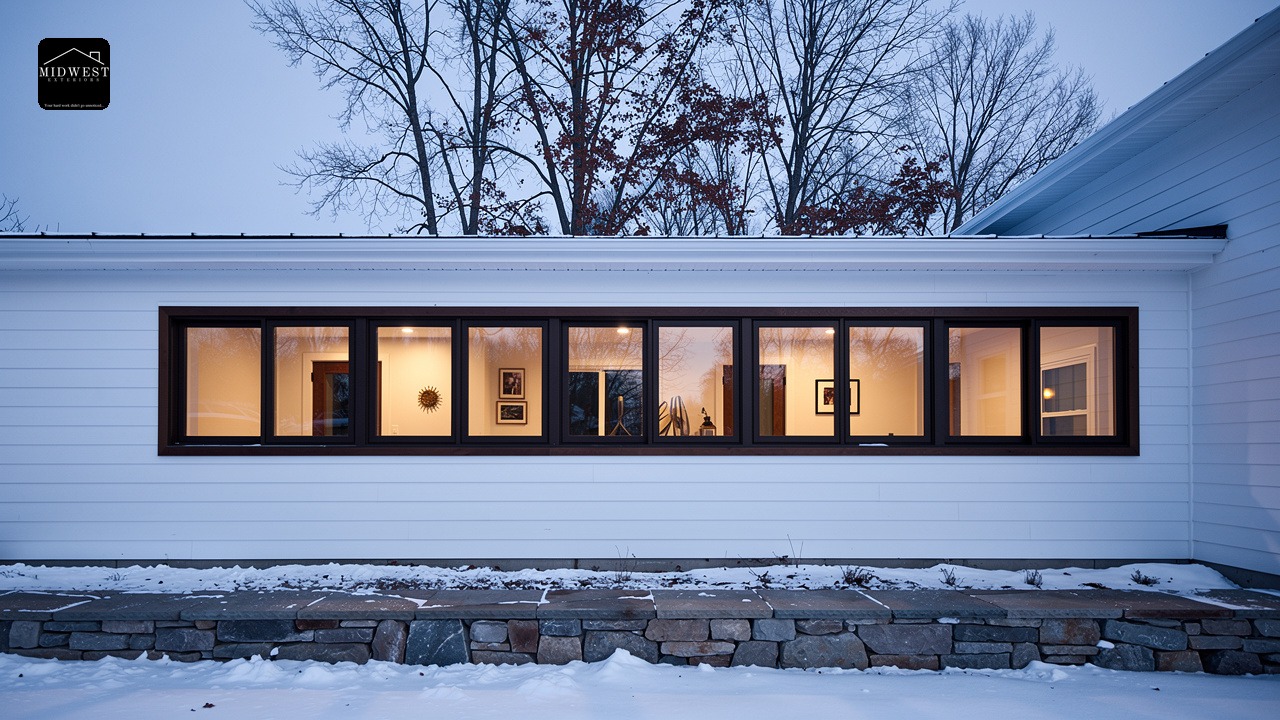
Climate zone matters because window ratings aren't universal across the country. A window that earns ENERGY STAR Most Efficient certification in Georgia or coastal California may not meet the same standard here in Northern Michigan, where winters run longer and colder. The NFRC directory accounts for this by testing products against regional performance benchmarks rather than a single national average.
Before assuming any window is eligible is eligible, confirm the CPD number shows green specifically for your zone, not just a general ENERGY STAR sticker on the box. I'd also add that in a cold climate like ours, the seal around the frame matters nearly as much as the glass package itself. A well-sealed window keeps warm air inside and performs closer to its rated efficiency through a full Michigan winter.
Who Qualifies to Claim the Credit?
To qualify for the energy efficient windows tax rebate, your home must be an existing property in the United States that serves as your principal residence, meaning the place you live most of the year. New construction doesn't qualify, since the credit only applies to improvements made to an existing home. Rental properties don't qualify either, unless you also live there as your main home.
Second homes used only part of the year generally don't qualify for window, door, or insulation credits, even though they can qualify for some heating and cooling equipment. If you run a business from home, the rules shift based on how much space that business uses. Homes with 20% or less business use get the full credit, while higher business use reduces it proportionally based on nonbusiness square footage.
How Do Rebates and Other Incentives Affect Your Credit?
Rebates tied directly to a product's cost reduce how much you can claim, because the IRS treats them as a price adjustment before the 30% calculation happens. If a manufacturer or seller rebate lowers your window cost, you calculate the credit on the reduced amount, not the original sticker price.
Utility subsidies get subtracted the same way. State incentives usually don't, unless they technically function as a rebate under federal rules, which varies by program and state. It's worth checking the ENERGY STAR Rebate Finder for utility and local programs available in Northern Michigan.
How to Claim the Credit on Your Taxes

You claim the energy efficient windows tax rebate by filing IRS Form 5695, Residential Energy Credits, with your federal tax return for the year your windows were installed, not the year you bought them or signed a contract. The IRS publishes step-by-step instructions for this form on its website.
Hold onto your itemized estimate, product receipts, and the window's CPD number in case the IRS asks for documentation later. A tax professional can confirm how this credit interacts with your specific return, especially if you're claiming other home improvements the same year.
Planning Your Window Project With Midwest Exteriors
Planning ahead makes claiming the energy efficient windows tax rebate much simpler, and that starts with a written estimate that separates product and labor costs. Midwest Exteriors, based in based in Williamsburg just outside Traverse City, provides a free in-home estimate that itemizes what you're paying for the windows themselves versus installation, which is the number you'll actually need for Form 5695.
As an authorized Sunrise dealer, the company's own employed crews measure, install, and handle service calls directly rather than routing you to a subcontractor or the manufacturer. Most window jobs wrap up in a single day, so every opening that's closed stays closed, and your home isn't left exposed overnight while paperwork or a rebate works its way through.
The Takeaway
The energy efficient windows tax rebate comes down to a few numbers worth remembering: 30% of your window cost, capped at $600 a year, available only through December 31, 2025. Before you buy anything, confirm the specific product carries ENERGY STAR Most Efficient certification for your climate zone, since a window that qualifies elsewhere in the country may not qualify here in Northern Michigan.
Get a written, itemized estimate so you know exactly what counts toward the credit, and talk to a tax professional about how it fits your return. If you're ready to start planning a window project before the deadline, reach out to for a free in-home estimate and a real scheduled install date, not just a vague follow-up promise.
Frequently Asked Questions
Here are quick answers to the questions I hear most often about this credit.
Can I Claim the Window Tax Credit If I Replace Only One or Two Windows?
Yes, there's no minimum number of windows required. The energy efficient windows tax rebate is based on 30% of the product cost, up to the $600 annual cap, even if you only replace a single window this year.
Do I Need to Itemize My Taxes to Claim This Credit?
No, Form 5695 is filed alongside your federal return regardless of whether you itemize deductions. It's a separate credit calculation, not tied to your decision to take the standard deduction or itemize other expenses.
What Happens If My Windows Cost More Than $2,000 Total?
The credit still caps at $600 for windows, regardless of how much your total project costs. Spending more on windows won't increase your credit beyond that annual limit, so it's worth budgeting with that ceiling in mind.
Can I Combine the Windows Credit With a Siding or Insulation Project in the Same Year?
Yes, but windows, doors, and insulation all share the same $1,200 annual building envelope cap. That means your combined claims across these categories in one tax year can't exceed that shared limit, even if your actual spending is higher.
Will This Tax Credit Still Be Available Next Year?
As of now, the credit applies only through December 31, 2025. Homeowners planning a window project should confirm current IRS guidance before scheduling work, since federal programs like this one can change or expire without much advance notice.
Does the Tax Credit Cover the Cost of Installation Labor for Windows?
No, labor costs for installing windows and other building envelope items are excluded from the credit. Only the window product cost counts toward the 30% calculation, which is why an itemized estimate separating the two figures matters.