Energy Tax Credit for Windows & Doors: 2025 Guide
Learn how the energy tax credit works for windows, doors, and insulation before the 2025 deadline. See qualifying upgrades, limits, and how to file Form 5695.
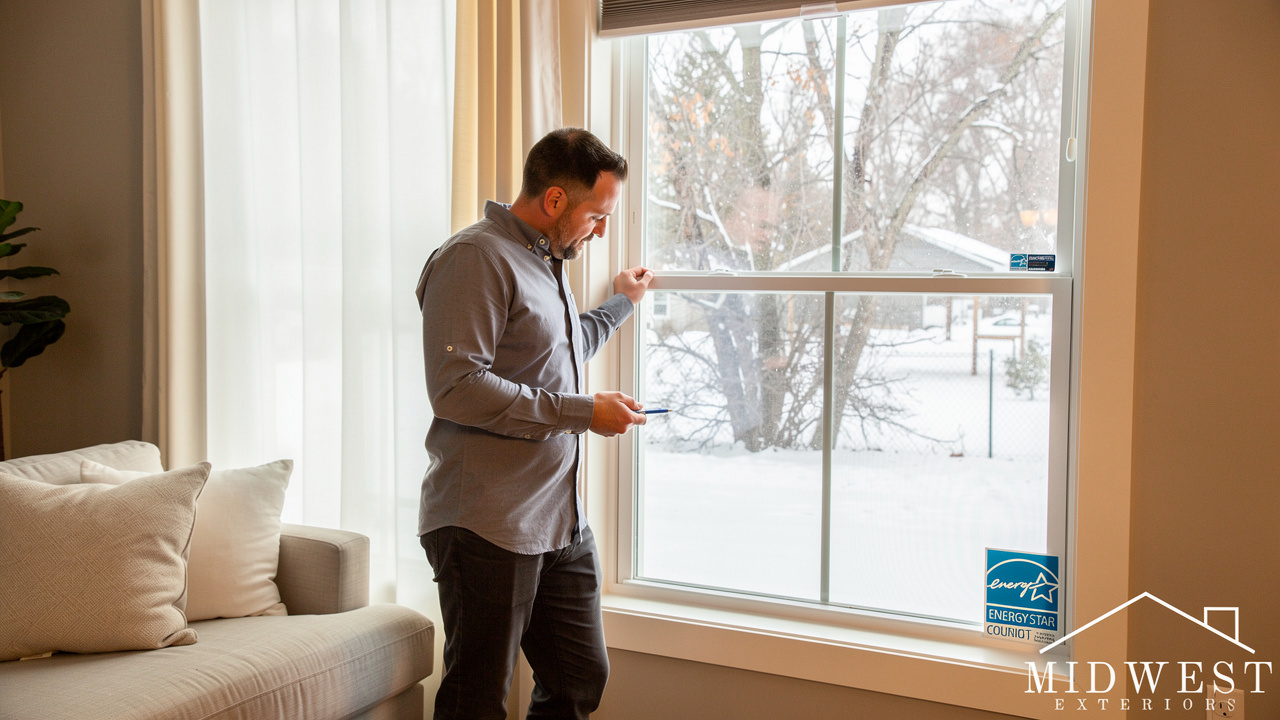
Planning a window or siding replacement in Traverse City can feel confusing once money and taxes enter the conversation. Many homeowners don't know what actually qualifies for the energy tax credit, how much they can claim, or whether the paperwork is worth the effort. That confusion often stalls projects that would otherwise pay off twice, once on the tax return and again on the monthly energy bill.
The energy tax credit is a federal program that lets homeowners subtract a share of qualifying improvement costs directly from what they owe the IRS. This guide covers which window, door, and insulation projects qualify, how much you can claim each year, who's eligible, and how to file correctly using Form 5695. We'll also cover how a trusted local contractor like Midwest Exteriors fits into a winter-ready home plan.
Let's start with what this credit actually is and how it puts money back in your pocket.
Key Takeaways
- The Energy Efficient Home Improvement Credit covers windows, doors, insulation, and HVAC systems
- Annual credit limit is $1,200 for most upgrades, plus a separate $2,000 limit for heat pumps
- Credits are nonrefundable and cannot be carried forward, except for solar and clean energy credits
- All current credits expire after December 31, 2025
- A qualified local contractor helps ensure products and paperwork meet IRS requirements
What Is the Energy Tax Credit and How Does It Work?
The energy tax credit, officially the Energy Efficient Home Improvement Credit, lets you subtract a portion of home improvement costs straight from what you owe the IRS. Unlike a deduction, which only lowers taxable income, a credit cuts your tax bill dollar for dollar. The Inflation Reduction Act of 2022 reshaped this credit, raising the amounts and expanding which projects count toward it.
For most qualifying improvements made through 2025, you can claim 30 percent of the project cost. That means spending $2,000 on new windows could reduce your federal tax bill by $600, assuming you stay within the annual limit. The credit applies to a long list of upgrades, from exterior doors and insulation to furnaces, heat pumps, and home energy audits. It was built to push homeowners toward efficient equipment without placing the full cost burden on one tax year.
For Northern Michigan homeowners dealing with older, drafty homes and long winters, that 30 percent reduction can make a real difference in project budgets. The credit resets every year through 2025, so you don't need to finish every upgrade at once to benefit.
How Much Can You Claim Each Year?
The Energy Efficient Home Improvement Credit caps most upgrades at $1,200 per year. Windows, doors, insulation, air sealing, and standard HVAC equipment all share this single limit, so stacking several projects into one year can max it out faster than expected.
Heat pumps, biomass stoves, and biomass boilers get a separate $2,000 annual limit, on top of the $1,200 cap for everything else. There's no lifetime limit either, so you can claim the maximum credit every year you make qualifying improvements through 2025. That flexibility lets homeowners spread a full exterior renovation across two or three years without losing any available credit.
Which Home Improvements Qualify for the Credit?
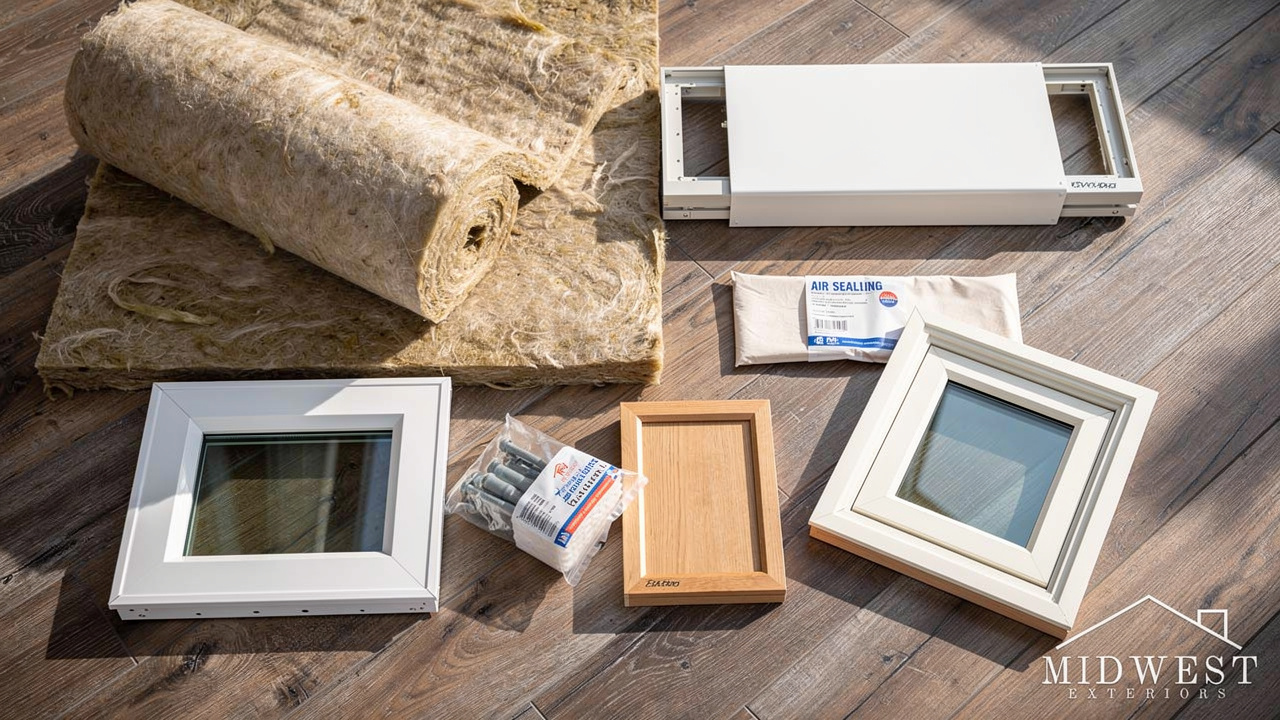
The Energy Efficient Home Improvement Credit covers a specific list of upgrades that cut energy use in an existing home, and most line up closely with the exterior projects Northern Michigan homeowners already plan for winter.
- Windows, skylights, and exterior doors top the list because they directly affect how much heat escapes a house in cold months
- Insulation and air sealing materials also qualify, since they close the gaps that let warm air leak out
- Central air conditioners, furnaces, boilers, heat pumps, biomass stoves, and qualifying water heaters also fall under the credit
- Professional home energy audits qualify too, giving homeowners a way to spot their biggest energy losses before spending money on fixes
One detail worth noting is that siding itself generally doesn't qualify as a standalone credit item under current IRS rules. However, insulation added during a siding project, along with air sealing performed at the same time, often does qualify under the insulation category. This means a full exterior renovation can still generate meaningful credits even when the siding material itself isn't the qualifying piece. For homeowners combining a window, door, or insulation job with siding work, it helps to separate the invoice by category so the qualifying portions are clear at tax time.
Windows and Skylights
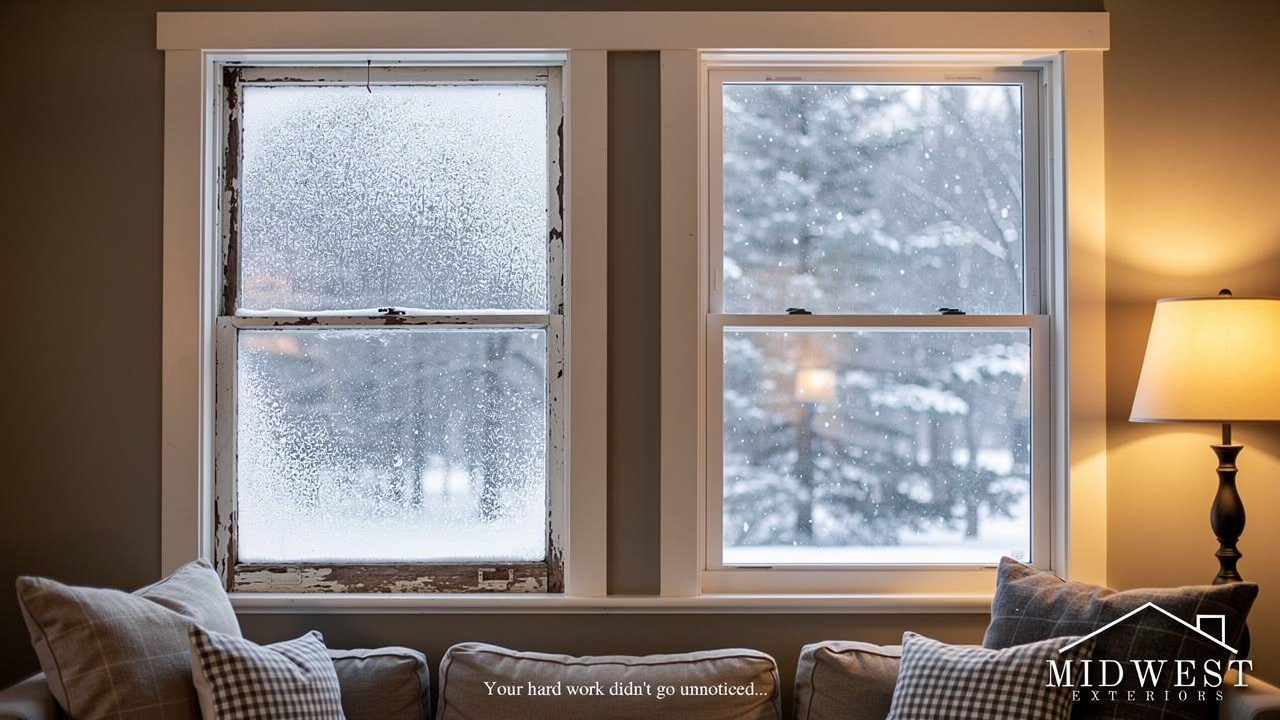
Windows and skylights qualify for 30 percent of the cost, up to $600 per year, but only when they carry ENERGY STAR certification. That standard matters in Northern Michigan, where outdated windows are a major source of heat loss and higher heating bills. Choosing certified replacements pairs the credit with genuine comfort gains through the coldest months.
Exterior and Patio Doors
Exterior doors, including patio doors, qualify for 30 percent of the cost up to $250 per door, with a combined cap of $500 for two doors in one year. Doors must meet specific energy performance standards to count. For homes across Traverse City facing harsh winters, upgrading a drafty entry or patio door often pays for itself through lower heating costs.
Insulation and Air Sealing
Insulation and air sealing improvements, including attic, wall, and crawlspace work, fall under the same $1,200 annual limit as windows and doors. Because these categories share one cap, pairing a large insulation project with window replacement in the same year can max out the credit faster than homeowners expect.
Are You Eligible for the Energy Tax Credit?
To claim the credit for windows, doors, skylights, or insulation, the home must be an existing primary residence you own and live in most of the year. Newly built homes don't qualify for these specific credits, even with highly efficient materials. Second homes and rental properties are excluded from this category, since the IRS requires the property to be your main home.
The rules loosen for HVAC-related equipment such as furnaces, water heaters, and heat pumps, which can qualify even in a second home you use part of the year. Renters can also claim credits for qualifying HVAC upgrades they pay for themselves, though not for windows or doors tied to a property they don't own. Checking which category your project falls under before filing helps you avoid an incorrect claim.
How Do You Claim the Energy Tax Credit on Your Taxes?
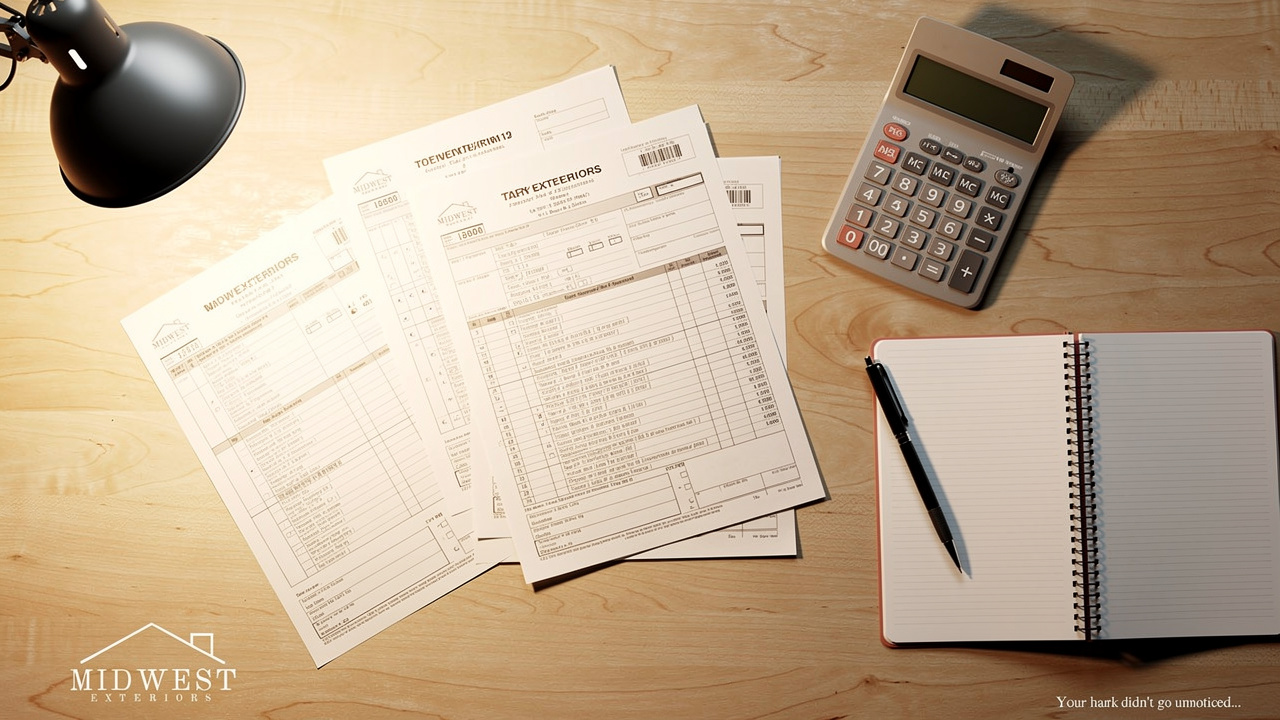
Claiming the credit starts with IRS Form 5695, which you attach to your federal tax return for the year the improvement was completed. The form walks you through calculating 30 percent of your costs within each category's limit. Keep every receipt, invoice, and contract from your contractor, since you'll need them to back up the figures you enter.
Starting in 2025, the IRS added a requirement called the Qualified Manufacturer code, a four-digit number manufacturers assign to eligible windows, doors, and HVAC equipment. Without that code on your return, the IRS may reject a claim for products installed this year. Ask your contractor or supplier for this code and matching product documentation at the time of purchase, not after the job wraps up.
How Midwest Exteriors Helps Northern Michigan Homeowners Maximize Their Savings

Midwest Exteriors installs replacement windows, entry doors, and patio doors custom-measured to your home's existing openings, which matters because a correct fit supports the energy performance the credit rewards. Every installation is completed by its own employed crew rather than subcontractors, so workmanship stays consistent from the first measurement through the final walkthrough. Based in Williamsburg, just outside Traverse City, the company understands the cold-climate demands Northern Michigan homes face each winter.
The team provides a written quote only after measuring your openings, so the number you see is the number you pay, with no surprises later. Once you approve a project, they call to confirm a real scheduled date rather than leaving you waiting on a vague follow-up. That kind of clear scheduling matters when you're racing to finish a project before the credit's 2025 deadline.
The Takeaway
Windows, doors, and insulation upgrades planned for Northern Michigan homes can qualify for real tax savings under the Energy Efficient Home Improvement Credit, as long as you stay within the annual limits and meet ENERGY STAR or efficiency standards. Combining a window project with a door replacement or insulation work in the same year can bring the full $1,200 credit within reach, while a heat pump installation unlocks another $2,000 separately.
Since these credits are scheduled to expire after December 31, 2025, now is the time to plan rather than wait until the deadline gets close. Talk with a licensed tax professional about your specific situation, and work with a contractor who documents products correctly for the IRS. Planning now protects both your comfort this winter and your tax return next spring.
Frequently Asked Questions
Can I Combine the Energy Tax Credit With Manufacturer or Utility Rebates?
Yes, you can usually combine a manufacturer or utility rebate with the federal energy tax credit for the same project. Check with your local Northern Michigan utility provider, since many offer extra rebates for efficient windows, doors, or heat pumps that lower your upfront cost even further.
Do I Need a Home Energy Audit Before Replacing Windows or Doors to Qualify?
No, an energy audit isn't required to claim credits for new windows or doors. An audit is its own separate qualifying improvement, worth 30 percent of the cost up to $150, and it can help you spot other upgrades worth tackling first.
What Happens if My Tax Credit Is Bigger Than What I Owe in Taxes?
The Energy Efficient Home Improvement Credit is nonrefundable, so it can only reduce your tax bill down to zero. Any amount beyond that disappears and cannot be refunded or carried forward, unlike the Residential Clean Energy Credit for solar systems.
Will the Energy Tax Credit Still Be Available After 2025?
The credit is currently scheduled to expire on December 31, 2025, under existing law. Congress could vote to extend, modify, or let it lapse, but nothing is guaranteed, so homeowners should aim to finish qualifying projects before the deadline.
Can I Claim the Credit if I'm Replacing Windows in a Second Home or Rental Property?
No, window, door, and insulation credits apply only to your primary residence, not a second home or rental. HVAC equipment like heat pumps and water heaters follows different rules and can qualify even in a second home you personally use.
How Do I Find Out if My New Windows or Doors Qualify for the Credit?
Confirm your your windows carry ENERGY STAR certification and ask your contractor for the manufacturer's four-digit Qualified Manufacturer code required starting in 2025. Request documentation at the time of purchase, since you'll need both pieces of information when filing Form 5695.
Conclusion
The energy tax credit turns window, door, and insulation upgrades into smarter investments, cutting both winter heating bills and your federal tax bill at the same time. With the 2025 deadline approaching, homeowners who plan their projects now stand to capture the most savings before the rules change.
If you're ready to start a window, door, or siding project in Traverse City or Northern Michigan, Midwest Exteriors can measure your home, provide a written quote, and get you on the schedule with a real date. Reach out to the Williamsburg office to talk through your options before the credit window closes.