Vinyl Siding Colors in Midland, MI: A Homeowner's Guide
Explore the best vinyl siding colors for Midland, MI homes, from fade-resistant shades to winter-ready styles, and learn how to choose with confidence.
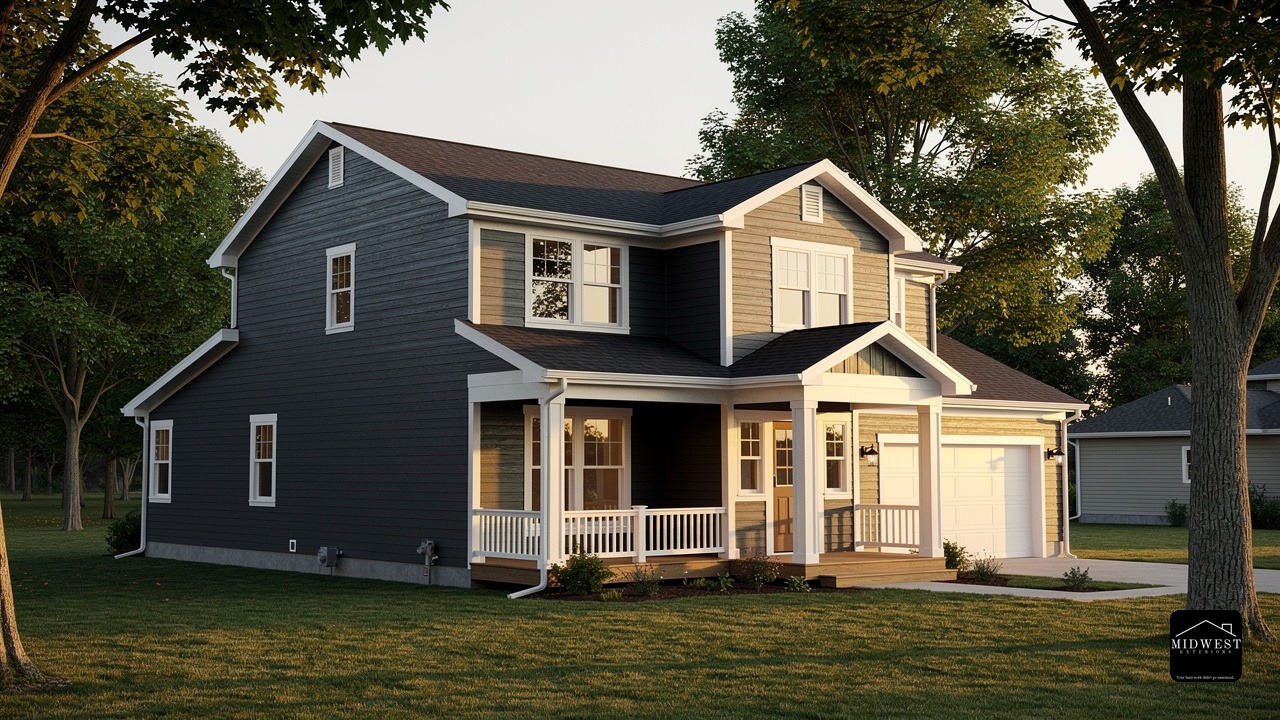
Picking vinyl siding colors in Midland, MI can feel overwhelming once you see how many shades, textures, and finishes are out there. Between whites, earth tones, grays, and bold statement colors, it's easy to get stuck before you even think about how a color will hold up through a Michigan winter. That's the real challenge behind vinyl siding colors in Midland, MI: finding a shade that looks right on your home today and still looks right five or ten years from now.
In this article, I'll walk you through the main color families homeowners choose from, how siding profile and texture change the way a color reads on your house, and why fade protection matters more for some colors than others. I'll also cover how color choices connect to winter energy performance, since siding doesn't work alone against Michigan weather. Along the way, I'll bring in what I've learned working with homeowners across Traverse City and Northern Michigan, including how a company like Midwest Exteriors approaches these projects from estimate to install day. By the end, you should feel ready to narrow your options with confidence instead of guesswork.
Key Takeaways
- Vinyl siding colors generally fall into four families: whites and neutrals, earth tones, grays and blues, and bold or vintage shades.
- Siding profile and texture change how a color looks once it's installed, so style and color should be chosen together.
- Fade-resistant technology matters more for dark colors than light ones, since dark shades absorb more heat and sun exposure.
- Insulated siding and the color you pick both play a part in how your home performs during winter.
- Working with an experienced local installer helps you avoid costly mistakes with color, fit, or timing.
What Vinyl Siding Colors Work Best for Midland, MI Homes?
vinyl siding colors in Midland, MI generally sort into four main families: whites and neutrals, earth tones, grays and blues, and bold or vintage shades, and each one suits a different kind of home. Whites and neutrals like white and linen brighten a facade and work with nearly any trim color, which is why they remain the most popular pick for traditional and farmhouse-style homes. Earth tones such as Tuscan Clay and Vintage Wicker pull inspiration from natural materials, so they tend to look right at home against the wooded lots, lakeshores, and open fields common across Northern Michigan. Grays and blues lean modern and pair well with stone or brick accents, giving a home a more sophisticated, updated look without going overboard. Bold shades, including reds and other saturated colors, let a homeowner make a real statement, though they call for stronger fade protection, which I'll get into later in this article. Thinking about your home's architecture and its setting first, before you fall in love with a specific swatch, usually leads to a choice you won't second-guess later.
Whites, Neutrals, and Earth Tones
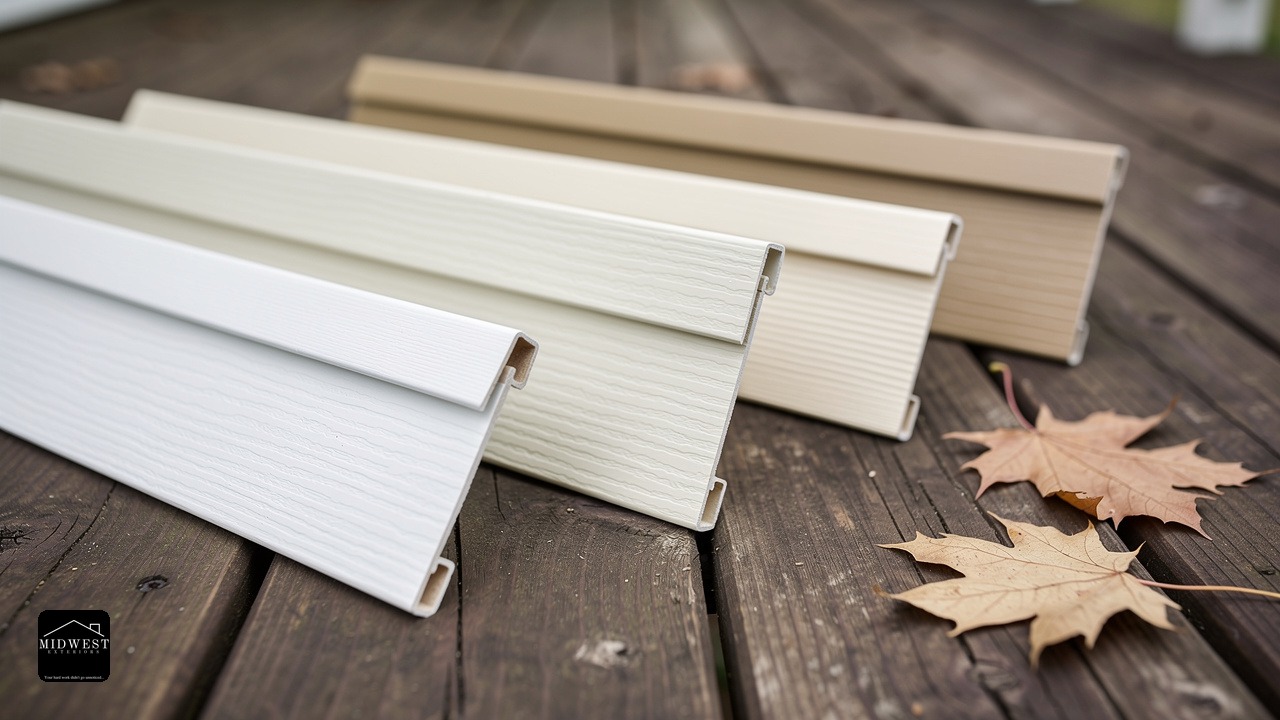
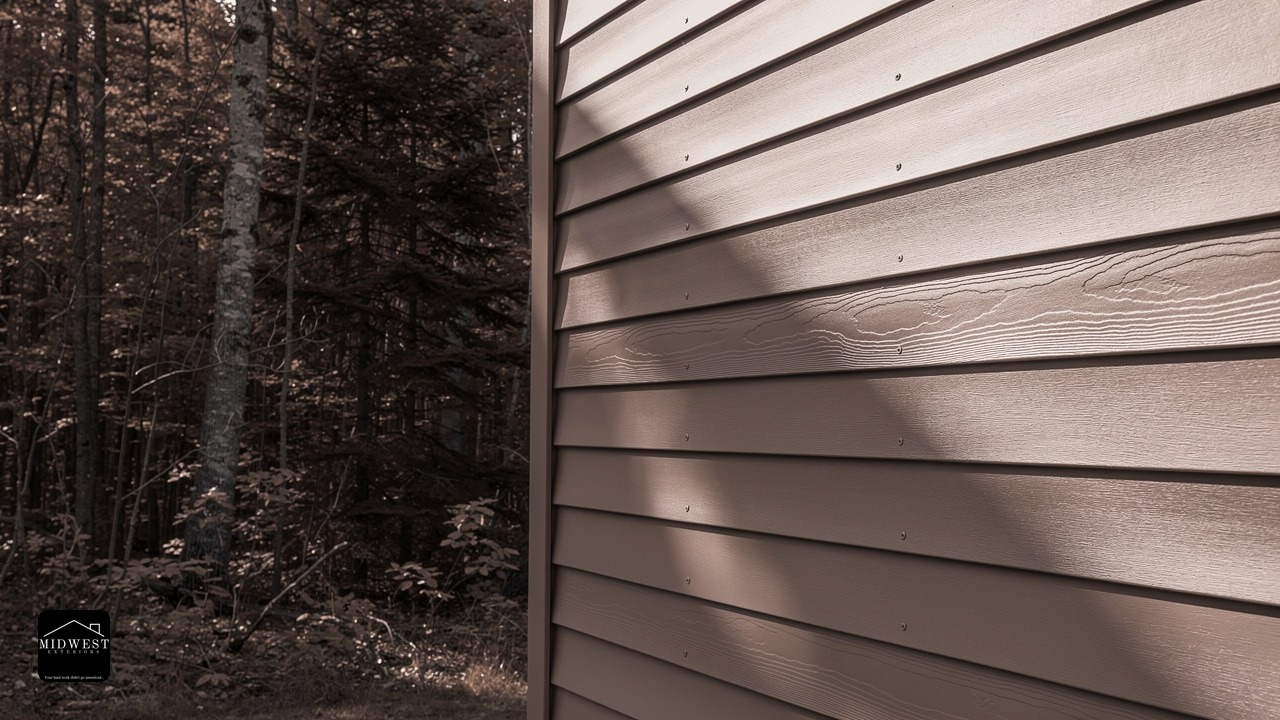
White and Linen remain two of the most dependable choices, and research on daylighting performance in hot climates confirms lighter exterior tones help maximize reflected natural light, brightening a home's exterior while coordinating easily with almost any trim or shutter color you already have. Colonial Ivory offers a warmer, more traditional neutral that fits classic home styles without looking stark or clinical.
Earth tones take this a step further for homeowners who want their siding to blend with the landscape rather than stand apart from it. Tuscan Clay brings an earthy, almost Mediterranean warmth, while Vintage Wicker offers a muted, natural shade that suits the wooded surroundings found throughout much of Northern Michigan.
Grays, Blues, and Bold Statement Colors
Deep grays and blues give a home a modern, polished appearance, and they create strong visual contrast when paired with white trim, stone, or brick accents. These cooler tones have become increasingly popular with homeowners who want their property to look updated without a complete architectural change.
Reds and other saturated shades go even further, offering a genuinely bold statement for homeowners who want their home to stand out in the neighborhood. Keep in mind that dark colors absorb more heat than light ones, which makes fade and UV protection a bigger factor in your decision, something I'll cover in detail further down.
How Does Siding Style Affect the Way a Color Looks?
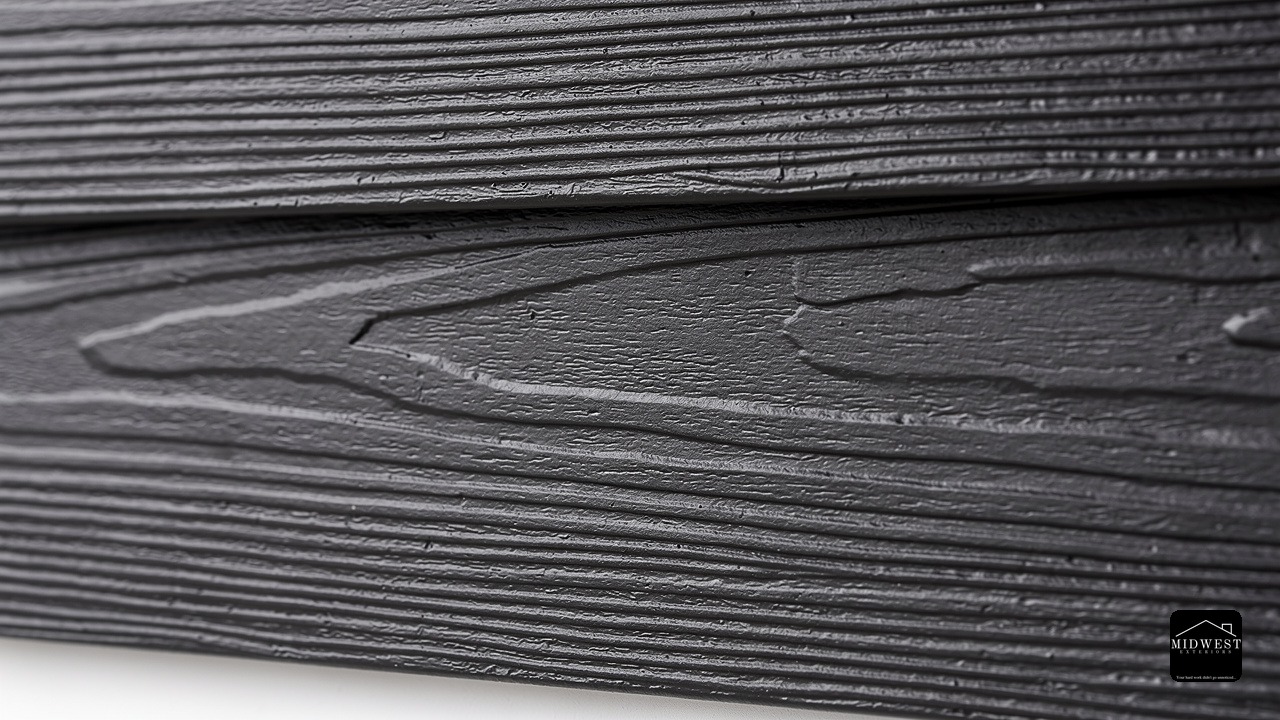
Siding style, meaning the profile and texture of the panel itself, changes how light and shadow play across a color once it's installed on your home. A flat, smooth profile shows color evenly across the whole surface, while a deeper, more textured profile creates shadow lines that can make the same exact color look richer or more dimensional. This matters because a paint chip or a small sample board never fully shows you how a shade will behave once it's covering an entire wall in changing daylight. Dutch lap, scallops, and shakes each interact with sunlight differently, and woodgrain textures add another layer of depth on top of color alone. Panel thickness plays a role too, since thicker siding tends to hold its shape better over time, which keeps the color looking consistent instead of warped or uneven after years of exposure.
Dutch Lap, Scallops, and Shakes
Dutch lap board gives a clean, horizontal look that suits traditional home styles and is one of the most common profiles homeowners choose. Scallops add decorative detail and are often used on gables or small accent areas rather than an entire facade.
Shake-style siding mimics the texture of natural wood and can soften the visual weight of a bold color choice, making deep grays or saturated reds feel a bit less intense up close.
Woodgrain Textures and Thickness
Cedar, oak, brushed, and soft woodgrain finishes add visible dimension to a panel, which tends to make darker colors look richer rather than flat or one-dimensional. These textured finishes are worth considering if you're drawn to a deep gray, blue, or red but worry it might look too plain on a smooth surface.
Thickness matters just as much as texture. Common vinyl thickness ranges run from about .040 inches up to .050 inches, and thicker panels generally resist dents and impact better, which helps the siding hold its shape and color appearance for many years.
Will My Siding Color Fade or Hold Up in Michigan Weather?
Quality vinyl siding is engineered with fade-resistant technology designed to keep color looking true through years of sun, snow, and temperature swings typical of a Northern Michigan climate. This matters because siding sits outside year-round with no break from UV rays, wind-driven rain, or the freeze-thaw cycles that define a Midland winter. Manufacturers build in reflective pigment technology and UV blockers specifically to slow fading, and some back these features with anti-fade guarantees for added peace of mind. The difference between light and dark colors becomes especially important here, since the amount of heat a panel absorbs directly affects how well its color holds up over time. Understanding this before you commit to a shade can save you from disappointment a few summers down the road.
Fade Protection and Color Technology
Reflective pigment technology and UV blockers work together to help a siding color stay true despite years of direct sun exposure. These formulations are built into the vinyl itself, not applied as a coating, so the protection doesn't wear off the way paint eventually does.
Weather barrier protection adds another layer of defense, guarding against moisture damage that can creep in around seams and edges. Some manufacturers back these combined technologies with anti-fade guarantees, giving homeowners written assurance that their chosen color is built to last.
Light vs. Dark Colors in Northern Michigan Climate
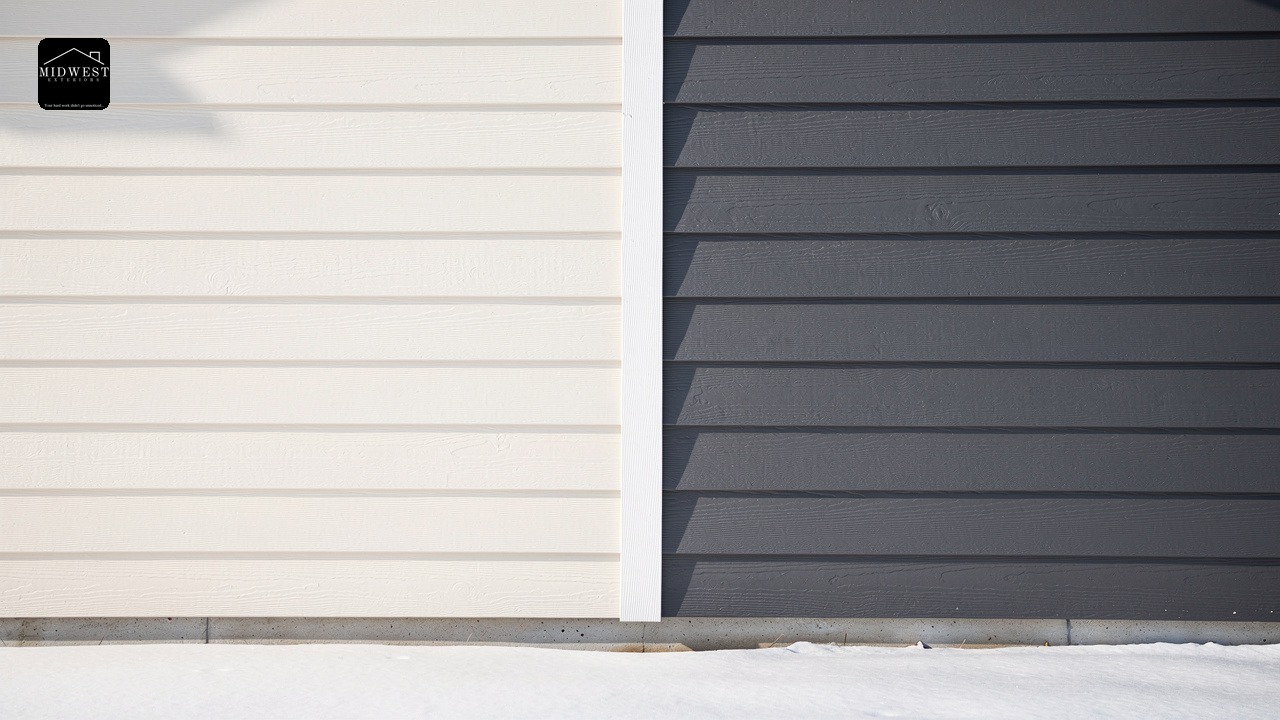
Light colors like white and linen reflect more heat than dark colors, which means they tend to show less visible fading over the years. This makes them a lower-risk choice if you want to set your siding decision and not think about it again for a long time.
Dark colors absorb more heat, which is exactly why fade-resistant formulations matter so much for grays, blues, and reds. If you've got your heart set on a bold, deep shade, just make sure the product line you choose includes solid UV and fade protection technology.
How Does Siding Color Affect Energy Efficiency in Winter?
Siding color itself has a modest effect on energy efficiency, but insulated siding and a well-sealed exterior make a far bigger difference during Michigan winters. Insulated vinyl siding includes rigid foam backing behind the panel, which research on insulated cladding energy savings shows improves thermal performance and helps create a tighter building envelope around your home. Darker colors do absorb more heat from the sun, which can offer a small seasonal benefit in winter, but the real energy savings come from the construction of the siding itself, not the shade you choose. This is why I always encourage homeowners to think about siding as one part of a bigger winter-readiness plan rather than a standalone decision.
Pairing Siding With Energy-Efficient Windows and Doors
Composite cladding options like Alside ASCEND, part of a broader vinyl siding color collection, give homeowners the look of real wood with far less maintenance demand through Michigan's freeze-thaw cycles, which makes it a practical pairing with any vinyl siding color scheme you're considering. Window style matters just as much as siding here, since casement and awning windows compress their weather seals fully as they close, creating a tighter fit than sliding styles in windy winter conditions.
Updating siding, windows, and entry doors together, rather than one at a time over several years, tends to create a more unified exterior and a genuinely more energy-ready home before cold weather arrives. This whole-house approach is exactly where a company like Midwest Exteriors focuses its work, since siding, windows, and doors installed together perform better as a complete system than any single upgrade on its own.
What Should I Expect When Choosing and Installing New Siding Color?
Choosing and installing new siding color typically starts with a free in-home estimate, where an estimator walks your property, discusses color and style options, and measures what's needed before giving you a written number. This step matters because seeing samples against your actual roof, brick, and landscaping tells you far more than a chip from a display rack ever could. From there, a reputable installer should give you a real scheduled installation date before any materials get ordered, rather than a vague promise to follow up later.
Midwest Exteriors, based in based in Williamsburg, serves Traverse City and Northern Michigan homeowners with this exact process, using its own employed crew rather than subcontractors for siding, window, and door installation. Because the same estimator who visited your home briefs the install crew beforehand, there's less room for miscommunication about the color, style, or scope you agreed to. Setting a real date before ordering begins also means you know what your week looks like, instead of waiting on open-ended timelines that leave your project in limbo.
The Takeaway
Choosing the right vinyl siding color comes down to balancing curb appeal, your home's architectural style, and how well that color will hold up against years of Michigan sun and snow. Whites and neutrals offer the safest, most versatile choice, earth tones blend naturally into Northern Michigan's wooded landscapes, and bold grays, blues, or reds make a statement as long as they're backed by solid fade protection. Texture, panel thickness, and insulation value all factor into the final result just as much as the color itself, so it pays to think through the whole package rather than the swatch alone.
If you're a homeowner in Traverse City or Northern Michigan weighing a siding, window, or door upgrade before winter sets in, a free, no-obligation estimate from Midwest Exteriors is a simple next step. You'll get a our work options against your own home, along with a straightforward timeline instead of guesswork.
Frequently Asked Questions
How Long Does It Take to Replace or Re-Side a Home With Vinyl Siding?
Larger whole-home re-side projects take longer than a single window replacement job, often spanning several days depending on the size of the home and scope of work involved. A good estimator explains the expected timeline upfront, before any order is placed, so you know what to plan for.
Can I Mix Vinyl Siding Colors With Stone or Board and Batten Accents?
Yes, reviews a main siding color with manufactured stone, shake, or board and batten accents to add depth and visual interest to their exterior. Coordinating trim and shutters from the same color collection helps the whole facade read as one cohesive design rather than mismatched pieces.
Does a Darker Siding Color Cost More to Maintain?
Darker colors need stronger fade and UV protection built into the vinyl itself, but day-to-day maintenance stays the same regardless of shade. Vinyl siding generally only needs an occasional rinse with a garden hose to stay clean, whether you choose a light neutral or a deep, bold color.
How Do I Know if My Old Siding Needs Full Replacement or Just a Repair?
Watch for warning signs like cracking, warping, or panels that have faded unevenly and no longer match the rest of the house. This company offers both full re-sides and targeted repairs, and an in-home estimate can clarify which option actually fits your situation.
Will New Siding Colors Affect My Home's Resale Value?
A well-chosen, coordinated color scheme generally improves curb appeal, which can positively influence resale value when you eventually sell. Neutral and earth-tone colors tend to appeal to the widest range of future buyers, since they're easier to picture fitting a variety of tastes.
What Is the Best Time of Year to Plan a Siding Color Change in Northern Michigan?
Planning before the cold season arrives helps make sure your home is fully ready for winter weather once temperatures drop. Scheduling early also gives you more flexibility in choosing an installation date that actually fits your household's calendar.