Vinyl Siding Materials Cost: 2026 Price Breakdown Guide
See real vinyl siding materials cost by style, thickness, and home size, plus hidden extras to budget for before you schedule a free local estimate.
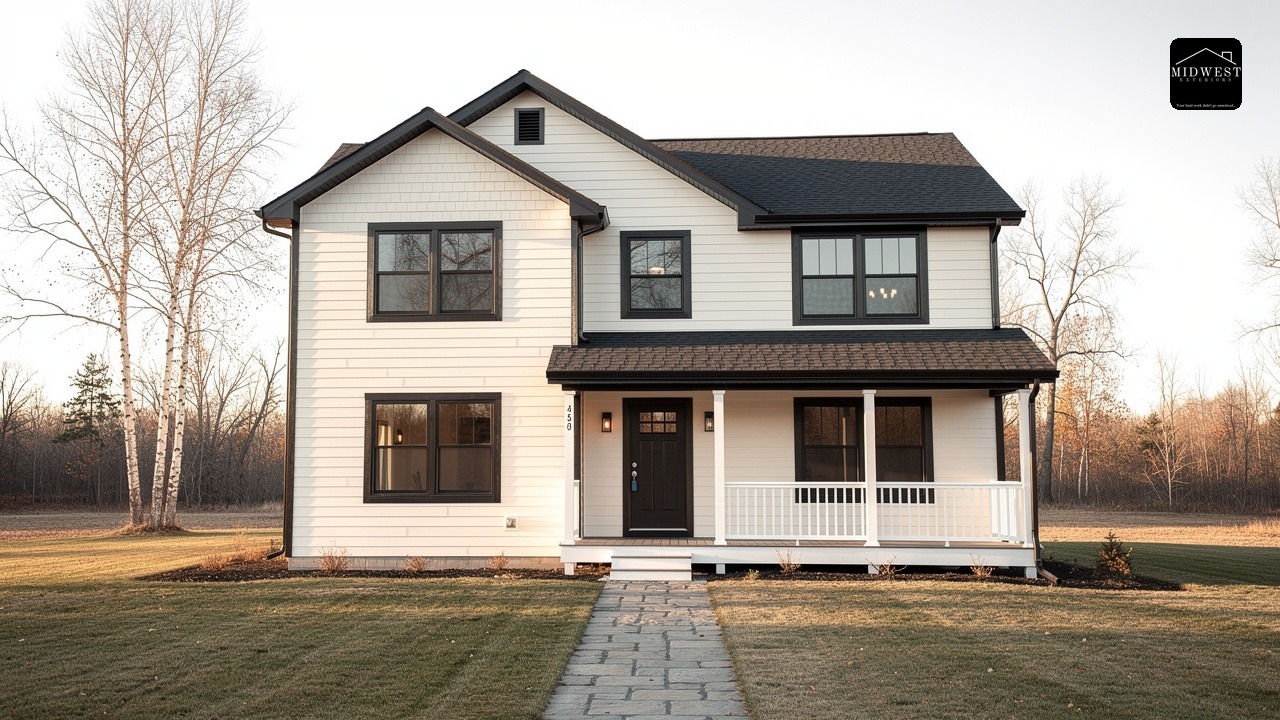
Figuring out vinyl siding materials cost before you call a contractor saves you from sticker shock later. Prices swing widely depending on style, thickness, and the size of your home, which makes budgeting tricky without a clear breakdown in front of you. I want to walk you through exactly what you're paying for, from the raw material price per square foot to the labor and extras that turn a quote into a final number.
This guide covers material costs by siding style, how thickness grades change both price and durability, total installed costs by home size, and the add-on expenses that often catch homeowners off guard. I'll also cover why climate matters here in Northern Michigan, where freeze-thaw cycles put real demands on exterior materials. I'm with Midwest Exteriors, based in Williamsburg just outside Traverse City, and I've watched plenty of homeowners get quotes that don't match what their home actually needs. By the end, you'll know what questions to ask before you schedule an estimate.
Key Takeaways
- Vinyl siding materials cost runs $2 to $10 per square foot depending on style, while fully installed projects typically run $4 to $12 per square foot.
- Thicker, premium-grade vinyl costs more upfront but holds up better against Northern Michigan's freeze-thaw winters.
- A 2,500 square foot home typically runs $6,250 to $26,875 installed, though home size and roofline complexity shift that range.
- Removal, structural repairs, insulation, and trim can each add hundreds to thousands of dollars beyond the base quote.
- A local, written, itemized estimate beats any national average for planning your actual budget.
What Does Vinyl Siding Material Cost Per Square Foot?
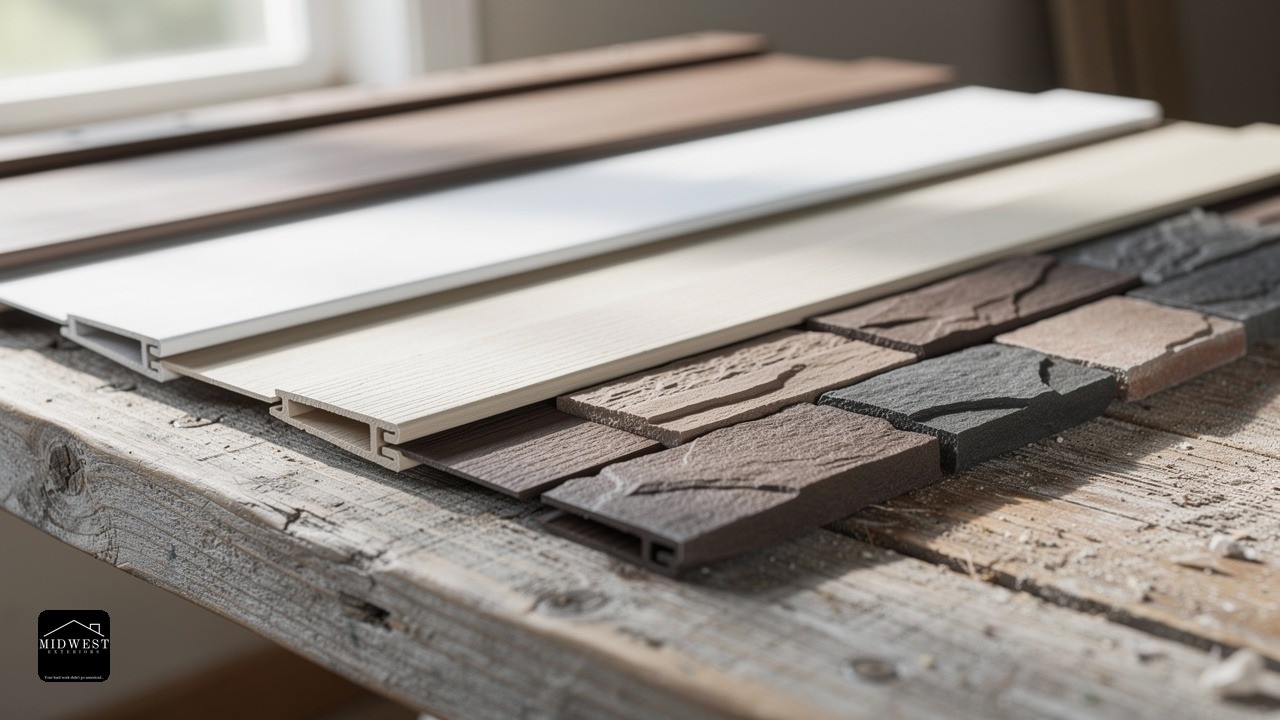
vinyl siding cost generally runs $2 to $10 per square foot before installation, with the profile you choose driving most of that spread. Traditional lap, smooth, beaded, Dutch lap, and clapboard styles sit at the lower end, typically $2 to $6 per square foot, because they use simpler molds and less material per panel. Board and batten and vinyl shake move up to $3.50 to $9 per square foot thanks to their deeper texture and extra trim pieces. Styles built to mimic stone or brick cost the most, often $5 to $10 per square foot, since replicating that depth and texture takes more complex manufacturing, a tradeoff covered in detail in guides comparing siding material options for moisture, impact, fire, and pest resistance.
Cost By Siding Style
- Traditional lap, smooth, beaded, Dutch lap, and clapboard profiles run $2 to $6 per square foot, or roughly $5,000 to $15,000 in material for a 2,500 square foot home. Dutch lap remains the most popular profile, since its shadow-line groove adds visual depth without raising the price.
- Board and batten and vinyl shake run $3.50 to $9 per square foot, or about $8,750 to $22,500 in material for the same home size. Both suit farmhouse, cottage, and coastal exteriors where texture matters more than a flat finish.
- Scalloped siding runs $4 to $9 per square foot and works best as a gable accent rather than full coverage, adding roughly $10,000 to $22,500 in material cost across an entire home.
- Log-look, brick-look, and stone-look panels run $5 to $10 per square foot, or $12,500 to $25,000 in material, giving you the appearance of natural materials for close to half what the real thing would cost.
How Does Thickness and Grade Affect Vinyl Siding Cost?
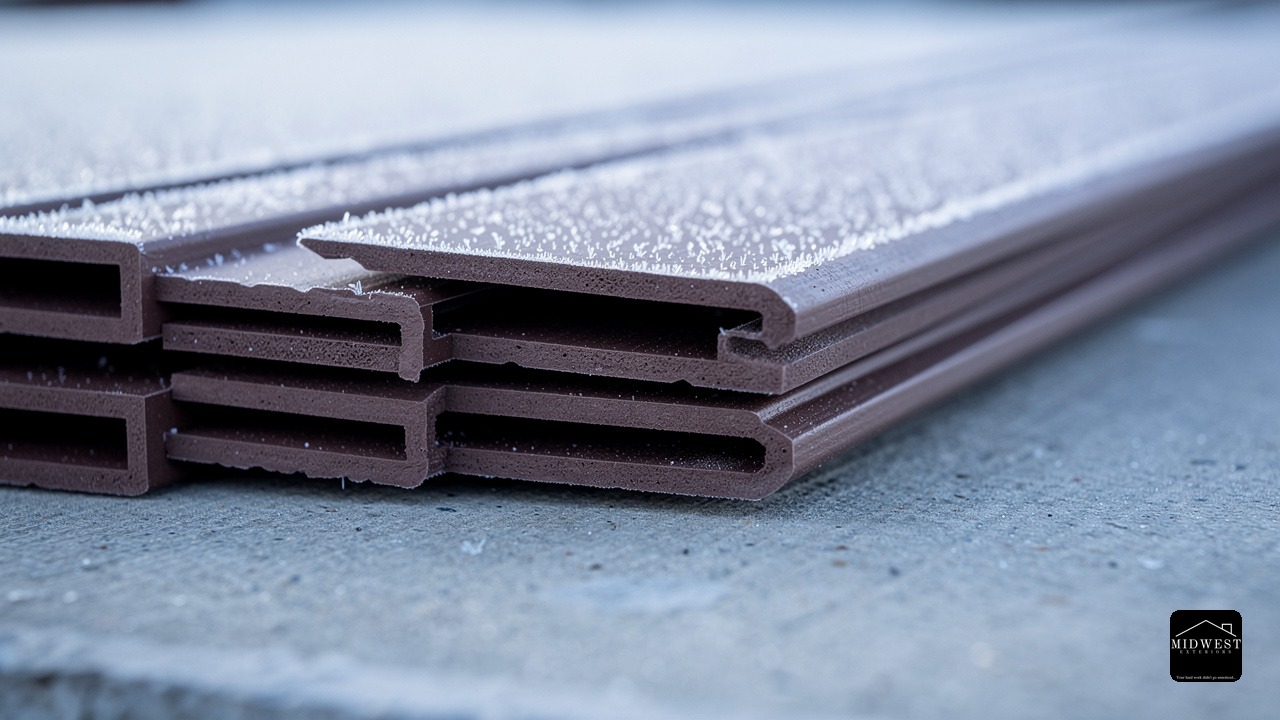
Thickness and grade affect vinyl siding cost because thicker panels use more raw material and resist damage better, so manufacturers price them higher. Vinyl siding comes in six standard thickness grades, ranging from thin builder's grade panels up to premium grade products built for harsh weather. For Northern Michigan homes, where freeze-thaw cycles stress exterior materials every winter, that thickness difference matters more than it would in milder climates. A panel that cracks under cold stress costs far more to fix than the few extra cents per square foot you'd spend on a sturdier grade up front, which is why official overviews of siding materials for facilities emphasize matching material thickness to climate demands.
Thickness Grades Explained
- Builder's grade at 0.40 mm is the thinnest and cheapest option, common in many homes, but it offers limited insulation and can crack under impact or cold stress.
- Thin and standard residential grades, at 0.42 mm and 0.44 mm, cost a bit more and provide adequate insulation and sturdiness for most moderate climates.
- Thick and super thick grades, at 0.46 mm and 0.50 mm, raise the price further but hold up noticeably better against wind, rain, and freeze-thaw swings.
- Premium grade, at 0.52 to 0.55 mm, costs the most but delivers the strongest protection against penetrating heat and deep cold alike.
- Panel length also factors in. Standard 12.5-foot panels create more seams and cost less, while 16.7-foot or 25-foot panels reduce seams and improve curb appeal at a slightly higher price.
What's the Total Installed Cost of Vinyl Siding?
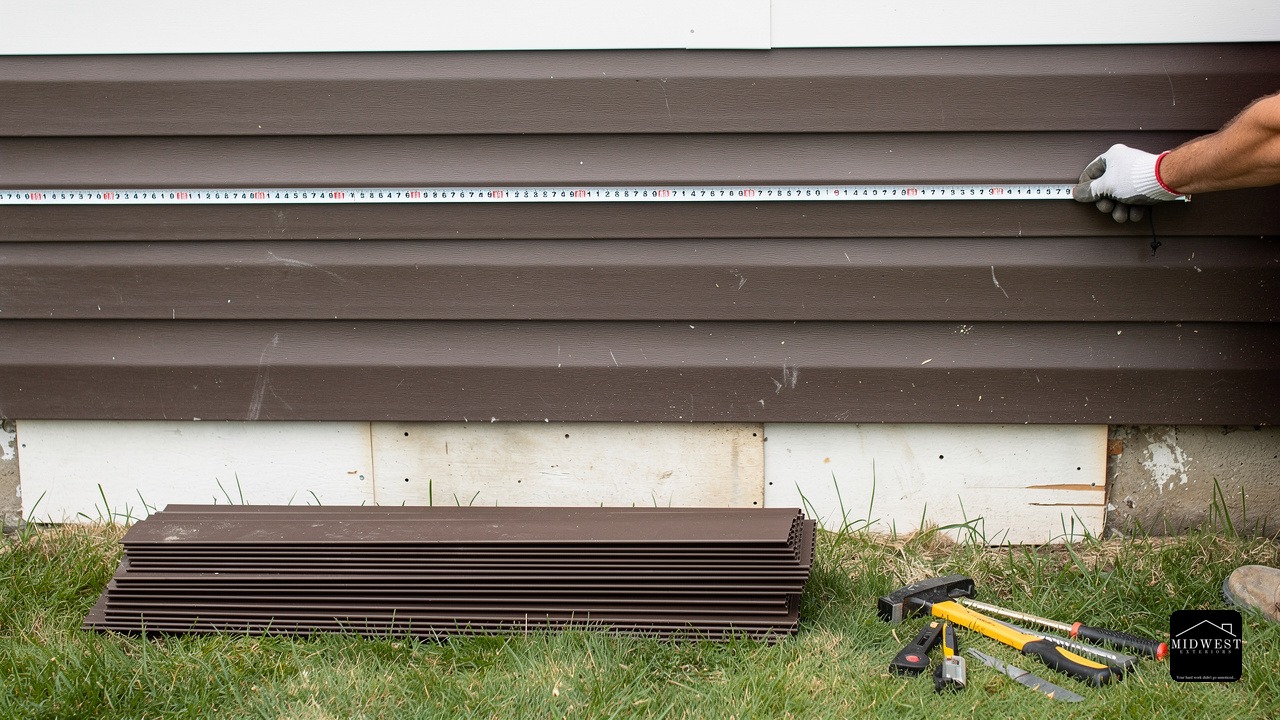
Vinyl siding materials cost is only part of the picture once labor enters the equation, and the total installed price typically runs $4 to $12 per square foot nationally. Most homeowners end up spending somewhere between $12,000 and $13,000 for a full project, though the real range stretches from about $7,000 up to $18,500 depending on home size, style, and local labor rates. Exterior wall area, not interior square footage, is what actually sets your price, since siding only covers the walls being clad. A larger home with more wall area and a more complex roofline will naturally land higher in that range than a simple ranch-style house.
Cost By Home Size
- Small homes around 1,500 square feet of exterior wall area typically cost $3,750 to $16,125 installed, covering both materials and labor for a full re-side.
- Medium homes around 2,500 square feet typically run $6,250 to $26,875 installed, which is the size range most Northern Michigan single-family homes fall into.
- Large homes at 3,500 square feet or more typically cost $8,750 to $37,625 installed, with the higher end reflecting premium-grade material and more complex labor.
- Architectural complexity pushes costs up regardless of size, since multiple stories, steep rooflines, and features like eaves and gables all require more cutting and labor time than a simple single-story layout.
What Other Costs Should I Budget For?
Budgeting for vinyl siding materials cost means looking past the base price per square foot, since several add-on expenses show up in most real-world projects. Removing old siding typically adds $1,000 to $3,000 for labor, tear-down, and disposal, and some contractors fold this into their quote while others bill it separately. Structural repairs for rotting wood, damaged insulation, or water damage can add another $500 to $2,000 or more, depending on what your crew finds once the old siding comes off.
Insulation upgrades add roughly $1,000 to $3,000 upfront but can lower your heating and cooling bills for years afterward, which matters during Northern Michigan winters. Trim and accessories, including window casings, door surrounds, moldings, shutters, and color-matched gable vents, typically add another $1,000 to $3,500 depending on how many openings your home has. This is exactly why a written, itemized estimate matters more than a quick phone quote, since it catches these line items before they become surprises on your final invoice.
Why Local Climate and Install Quality Matter in Northern Michigan
Local climate shapes vinyl siding materials cost in Northern Michigan because the material has to survive repeated freeze-thaw cycles without cracking or pulling away from the wall. Vinyl generally performs well in Midwest conditions when it's properly installed and ventilated, which is one reason it's often less expensive here than in regions where it warps under extreme heat, a point echoed in housing design resources that serve as a materials guide for climate-appropriate exterior cladding. Performance depends on installation quality as much as the product itself, since a panel installed too tight can buckle the first time temperatures swing hard.
How Midwest Exteriors Helps You Budget Accurately
- A free in-home estimate produces a how it works that stays valid after you've had time to review it, so you're not guessing from an online calculator that has never seen your home.
- Every installation is handled by employed crew members, never subcontractors, and the estimator who measured your openings briefs that crew before they arrive on site.
- You get a real installation date before the order goes to the factory, and a call comes ahead of time if anything about that date needs to change.
- Homeowners who want a wood look without repainting, scraping, or rot risk can choose composite siding instead of a standard vinyl profile.
- Based in Williamsburg, just outside Traverse City, the crew already knows what a Northern Michigan winter demands from exterior materials, and that shapes what gets recommended during your estimate.
Final Thoughts
Vinyl siding materials cost depends on a mix of style, thickness, grade, and the size of your home, but the number that actually matters for your budget is the fully installed price, not just the per-square-foot material figure. A 2,500 square foot home might run anywhere from $6,250 to $26,875 installed depending on the profile and grade you choose, and that range narrows further once removal, repairs, and trim are factored in.
National averages are a useful starting point, but they can't account for your home's wall area, roofline, or the labor rates in service area. The most reliable way to plan your budget is a local, written estimate rather than guesswork from a calculator. If you're ready for real numbers on your home, Midwest Exteriors offers a compare quotes with no pressure and no vague follow-up promises.
Frequently Asked Questions
How Much Vinyl Siding Do I Need For My Home?
Siding is sold by the square, equal to 100 square feet of wall area. Measure the height and width of each exterior wall, subtract large openings like garage doors, add about 10% for waste, then divide the total by 100 to get your square count.
Is Insulated Vinyl Siding Worth The Extra Cost In Northern Michigan?
It depends on your wall construction, budget, and energy goals. Insulated vinyl includes a foam backing that raises the upfront material price but can improve energy efficiency during cold Northern Michigan winters, so compare insulation ratings and warranties before deciding if the upgrade pays off.
Is It Cheaper To Paint Or Replace Old Vinyl Siding?
Painting costs less upfront, around $1.50 to $3.50 per square foot versus $3 to $12 for replacement, but it only fixes cosmetic fading. If panels are cracked, brittle, or warped, painting won't restore their weather barrier, so replacement becomes the only real fix.
How Long Does A Vinyl Siding Installation Take?
Timing depends on your home's size and complexity, so there's no single answer that fits every project. about Midwest Exteriors a real scheduled date before ordering materials from the factory, and reaches out ahead of time if anything about that date needs to change.