Window Insulation: What Works vs. What's Just Hype
Discover which window insulation methods really cut drafts and energy loss, and when it's time to stop patching and replace your windows for good.

Windows can leak as much as 30 percent of a home's daily energy straight through the glass and frame, according to the U.S. Department of Energy. If you've felt a cold draft near your living room window or noticed your heating bill creeping up every winter, you already know this problem firsthand. Window insulation is the general term for anything that reduces that heat loss, whether it's a $10 roll of weatherstripping or a full window replacement.
In this article, I'll walk through what actually works and what's mostly marketing talk. We'll compare quick, affordable fixes like film, curtains, and weatherstripping against permanent upgrades, and I'll help you figure out when it makes more sense to stop patching your old windows and start replacing them. By the end, you'll have a clear, honest picture of your options before winter sets in here in Northern Michigan.
Key Takeaways
- Temporary fixes like plastic shrink-wrap kits and bubble wrap offer minimal real insulation value, despite what the packaging promises.
- Weatherstripping and thermal curtains give you the best return for the money if you're not ready to replace windows yet.
- R-value comparisons show that even the best window coverings can't fully make up for an old, weak window frame.
- Frosting on the inside of your glass, sashes that stick, or a room you avoid in winter are all signs it's time to consider replacement.
- Midwest Exteriors installs climate-specific replacement windows using its own local crew, with a real install date instead of a vague promise.
What Is Window Insulation and Why Does It Matter in Northern Michigan?
Window insulation refers to any material or method that slows the transfer of heat through your windows, keeping warm air in during winter and out during summer. The concept hinges on something called R-value, a measurement of how well a material resists heat flow. A standard double-pane window sits around R-2, while a properly insulated wall measures somewhere between R-12 and R-19, and research shows that on hot days, up to 87 percent of a home's heat gain can enter through windows, with 40 percent of winter heat loss escaping the same way. That gap explains why your windows feel cold to the touch even when your walls feel fine, and why they're usually the first place a draft gets noticed.
Building codes reflect how much this matters, with minimum window U-Factor and SHGC requirements set specifically to limit heat transfer through glazing in residential construction. Our winters run long, often stretching from late October well into April, which means a poorly insulated window isn't a minor annoyance, it's a months-long drain on your heating budget. Understanding this baseline helps explain why some fixes work better than others, and why no amount of curtain fabric can fully replace a sound window frame.
Do Window Insulation Kits and Plastic Film Actually Work?
Window insulation kits, the plastic shrink-wrap and double-sided tape sets sold at most hardware stores, create a thin air pocket between your window and the plastic sheet. The idea sounds reasonable, but the numbers tell a less impressive story. High-quality polyethylene film tops out around an R-value of 0.85, and the thinner plastic used in most kits performs even worse than that. Compare that to the R-2 of the window glass it's covering, and you can see why these kits add only a sliver of extra protection.
Manufacturers often advertise energy savings of 30 percent to 50 percent, but those figures rarely hold up once the kit is actually installed on a real window. The plastic is too thin to meaningfully block heat loss in winter or solar heat gain in summer, so while it might take the edge off a draft, it won't turn a cold room into a warm one. If you're looking for a quick band-aid before a bigger project, these kits aren't harmful, just don't expect much from them.
What Are the Best Temporary Window Insulation Options?
If you need to buy time before a bigger window project, several temporary options outperform plastic shrink-wrap kits by a wide margin, and choosing the right one depends on your budget, how much natural light you want to keep, and how long the fix needs to last. Weatherstripping tackles air leaks directly at the source, curtains and shades add a layer of trapped air across the whole window, and window film or bubble wrap round out the budget end of the spectrum. Here's how each one stacks up.
- Weatherstripping seals the small gaps around window sashes and frames where conditioned air escapes, and it costs very little compared to the energy it saves. It comes in several forms, including foam strips, tension seals, and door sweeps, so you can match the product to your specific window type.
- Thermal curtains use multiple layers of foam and fabric to block both light and heat movement, making them a strong year-round choice, while blackout curtains offer a lighter-duty version of the same idea for a fraction of the cost.
- Cellular shades trap air inside a honeycomb structure, which helps stabilize room temperature throughout the year, though they block more natural light than open blinds or sheer curtains.
- Window film is a thin, UV-blocking layer you apply directly to the glass, letting light through while cutting some heat transfer, and most homeowners can install it themselves in an afternoon.
- Bubble wrap, pressed directly onto the glass, works as a last-resort option for the coldest stretches of winter, though it's not something you'll want on a window you look through every day.
Weatherstripping
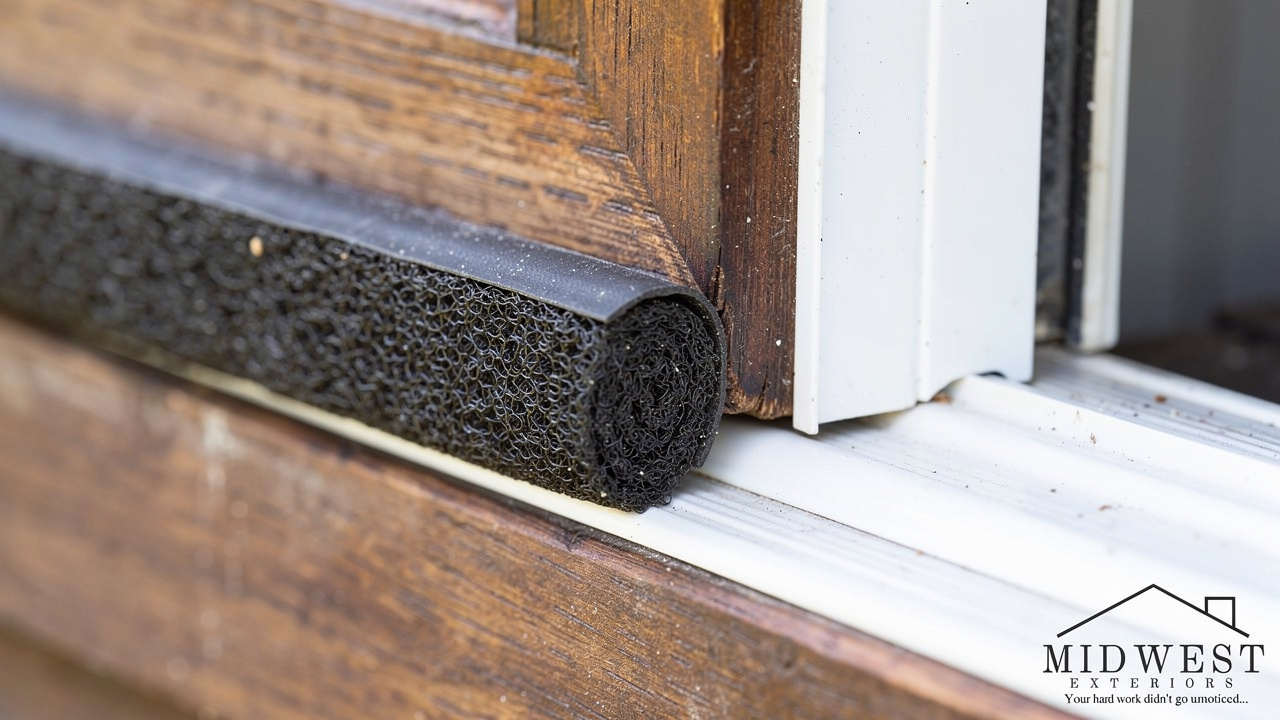
Weatherstripping is widely considered the single most effective low-cost fix for drafty windows, because it addresses the actual gaps letting air in rather than just adding a layer over the glass. It works by creating a tight seal around the moving parts of a window, the sash and the frame, where age and settling tend to open up small cracks over time. Most pros recommend starting here before trying any other insulation method, since it's inexpensive and often solves most of the draft problem on its own.
Thermal Curtains and Blackout Curtains

Thermal curtains step up the insulation game with a multi-layer build of foam and fabric, designed to block heat movement in both directions throughout the year. Blackout curtains use a simpler, single-layer construction and cost less, but they still pull their weight, cutting heat loss by as much as 25 percent when drawn, often for under $100 if you already have a curtain rod. Both are solid choices depending on how much you want to spend.
Cellular Shades
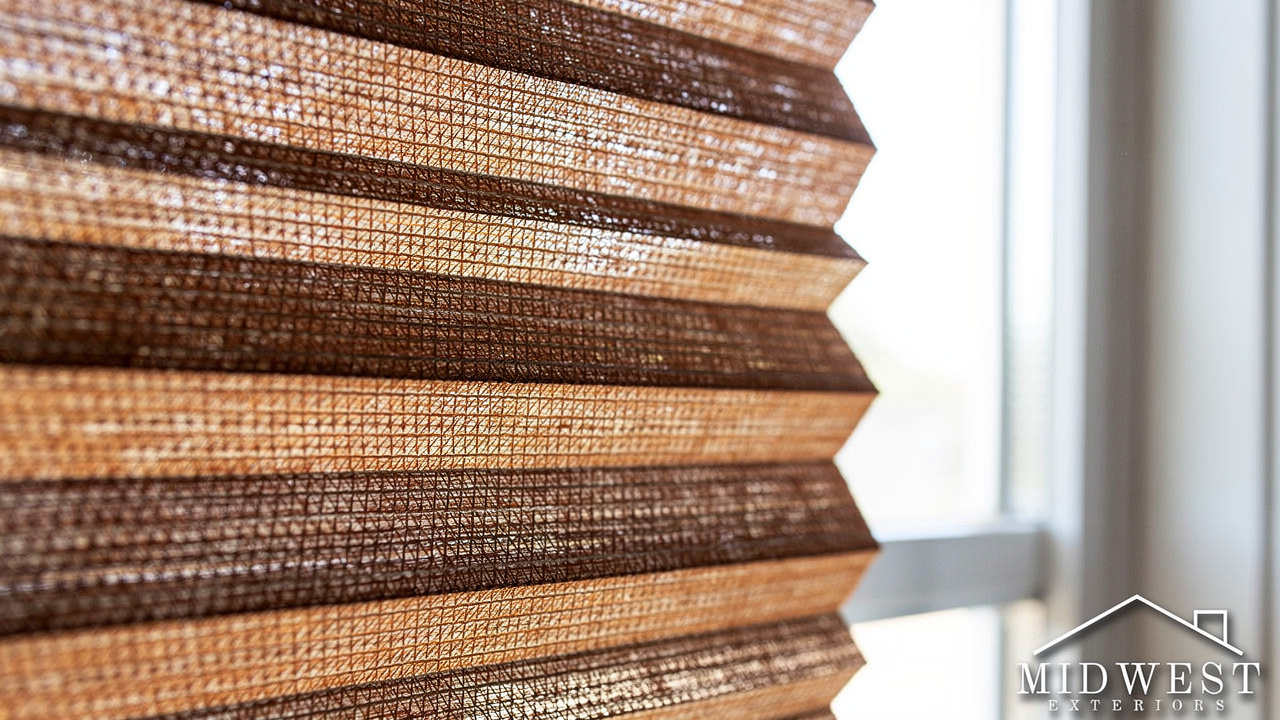
Cellular shades rely on a honeycomb-shaped pocket design that traps air inside each cell, creating a steady insulating layer across the whole window. This structure helps keep indoor temperatures more consistent across the seasons, which is a real advantage if your home runs cold in winter and warm in summer. The trade-off is natural light, since the closed-cell design blocks more sunlight than traditional blinds.
Window Film and Bubble Wrap
Window film applies directly to the glass and blocks a portion of UV rays while still letting daylight through, and it's simple enough that most homeowners install it themselves without any special tools. Bubble wrap, pressed onto damp glass with the bubble side facing in, works as a short-term bridge solution during the coldest weeks of the year rather than a permanent fix. Neither option replaces a proper window, but both help take the edge off a draft on a tight budget.
When Should You Stop Patching and Replace Your Windows?
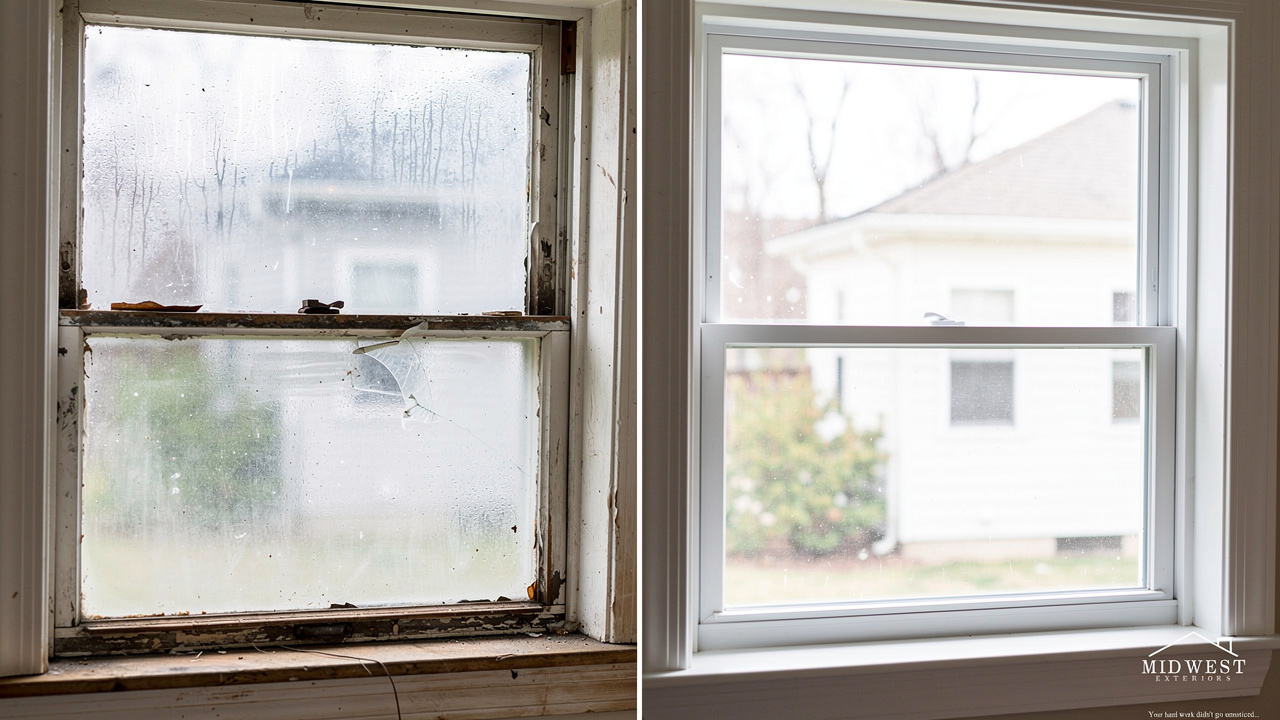
You should consider replacing your windows once patching and temporary fixes stop addressing the real problem, which is usually frame or seal failure rather than a lack of coverings. Old windows tend to fail slowly rather than all at once. You might notice frost forming on the inside of the glass during cold snaps, sashes that get harder to lift each year, or a room you've quietly stopped using because it never feels comfortable. These are the clearest signs that the window itself, not just the insulation around it, has reached the end of its useful life.
This is the point where I'd suggest bringing in Midwest Exteriors for an honest look at your home. The company offers double-hung windows, built with two tilt-in sashes for easy cleaning, and casement windows, which crank outward and compress their seal tighter as they close, a real advantage on a windy Northern Michigan night. Every window gets measured to your home's exact openings, installed by its own crew in most cases within a single day, and backed as an authorized Sunrely dealer, so warranty and service calls all route back to one company instead of several.
How Does a Whole-Home Approach Improve Window Insulation Results?
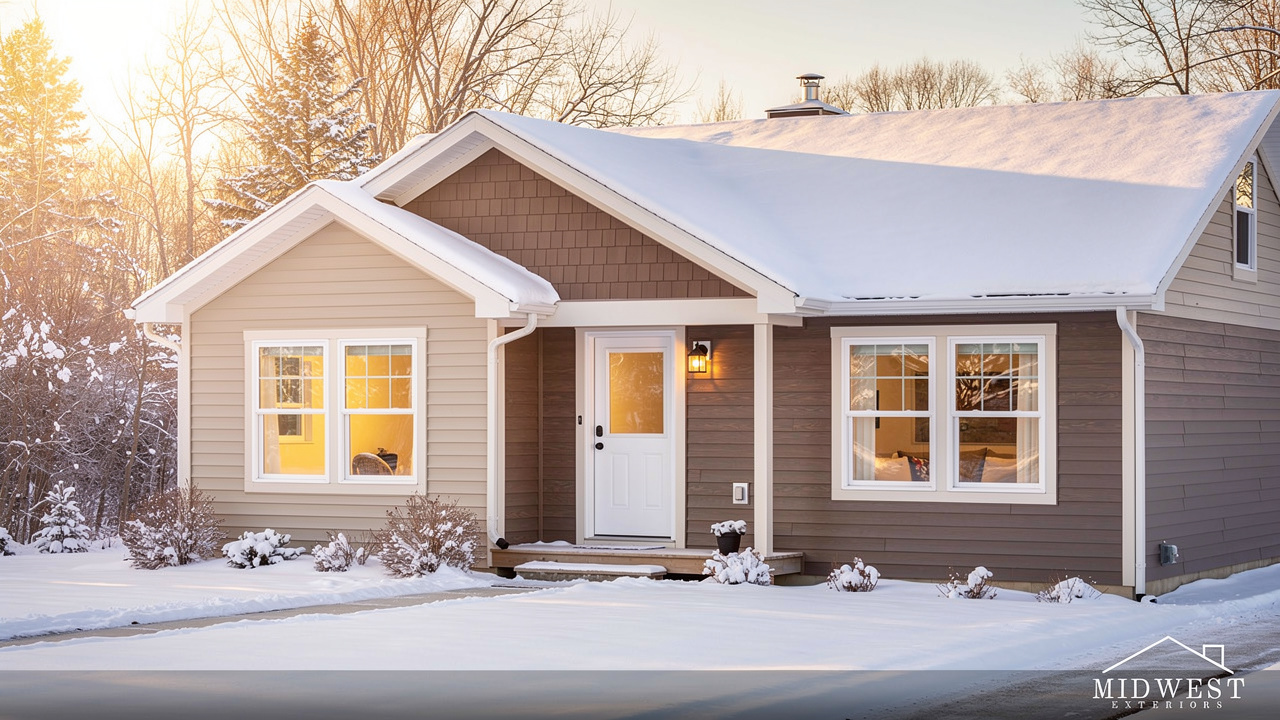
A whole-home approach improves window insulation results because windows are only one piece of your house's thermal envelope, the continuous barrier that keeps conditioned air inside. If your siding is old, cracked, or poorly insulated, heat can escape through the walls just as easily as through a drafty window, which means even brand-new windows won't deliver their full value on their own. Addressing these components together, rather than one at a time, closes more gaps in a single project.
This is why many homeowners planning a window project also look at their siding or entry doors at the same time. Midwest Exteriors installs Alside ASCEND composite composite siding, which keeps the look of natural wood without the repainting and soft-spot issues wood develops after repeated Michigan winters, alongside entry and patio door replacement. Tackling these together creates a more complete seal around your whole home rather than just one corner of it.
The Takeaway
Temporary fixes like weatherstripping, thermal curtains, and cellular shades genuinely help reduce drafts and lower your energy bills, but they have real limits once a window's frame or seal has started to fail. No amount of film or fabric fully makes up for glass sitting at an R-2 while the wall around it sits closer to R-15, a gap that studies on sustainable thermal resistance of window construction confirm can only be closed with structural changes like added air cavities or shutters, not surface coverings. Lasting comfort, especially through a Northern Michigan winter, comes from addressing the windows themselves once they've reached that point.
If you've noticed frosting, stuck sashes, or rooms that never feel quite warm enough, it's foggy window diagnostic before another heating season passes. Midwest Exteriors offers free, no-obligation estimates to evaluate your home's windows, siding, and doors, with a real scheduled install date rather than a vague follow-up call. Getting that evaluation now gives you time to plan before the cold really sets in.
Frequently Asked Questions
How Much Can Window Insulation Actually Save On Energy Bills?
Realistic savings from curtains, film, or weatherstripping typically run well below the 30 percent to 50 percent figures manufacturers advertise, since window R-values stay low no matter what covering you add. Expect modest, genuine reductions in drafts and comfort rather than a dramatic drop in your heating bill from coverings alone.
Is It Cheaper To Insulate Old Windows Or Replace Them?
Insulation kits and curtains cost less upfront, often under $100, and help in the short term. But if your windows are old or failing, compare quotes over time, since no covering fixes a broken seal or a frame that's lost its shape.
What's The Best Window Insulation For Winter In Northern Michigan?
A layered approach works best here. Pair weatherstripping around every sash and frame with thermal curtains or cellular shades over the glass itself. Together they address both air leaks and heat transfer, which matters most during our long, harsh winter stretch.
Can Caulking Alone Fix Drafty Windows?
Caulking helps seal the gaps around the window frame that weatherstripping can't reach, like where the frame meets the siding or trim. It won't fix a warped sash, a failed seal between panes, or other structural issues in an aging window.
How Long Does A Window Replacement Take?
Most window replacement jobs jobs with Midwest Exteriors finish within a single day, with any opened area closed up before the crew leaves. You'll also get a confirmed install date scheduled ahead of time, not a vague promise someone will call you later.
Do Storm Windows Help As Much As Full Replacement?
Storm windows add a helpful extra layer of protection and can improve comfort on older windows you're not ready to replace yet. They still fall short of the sealing, efficiency, and durability you get from a full energy-efficient window replacement.