Window Styles Guide for Northern Michigan Homes
Compare window styles for Northern Michigan homes, from double-hung to casement to picture windows, and learn which hold up best against wind and cold.
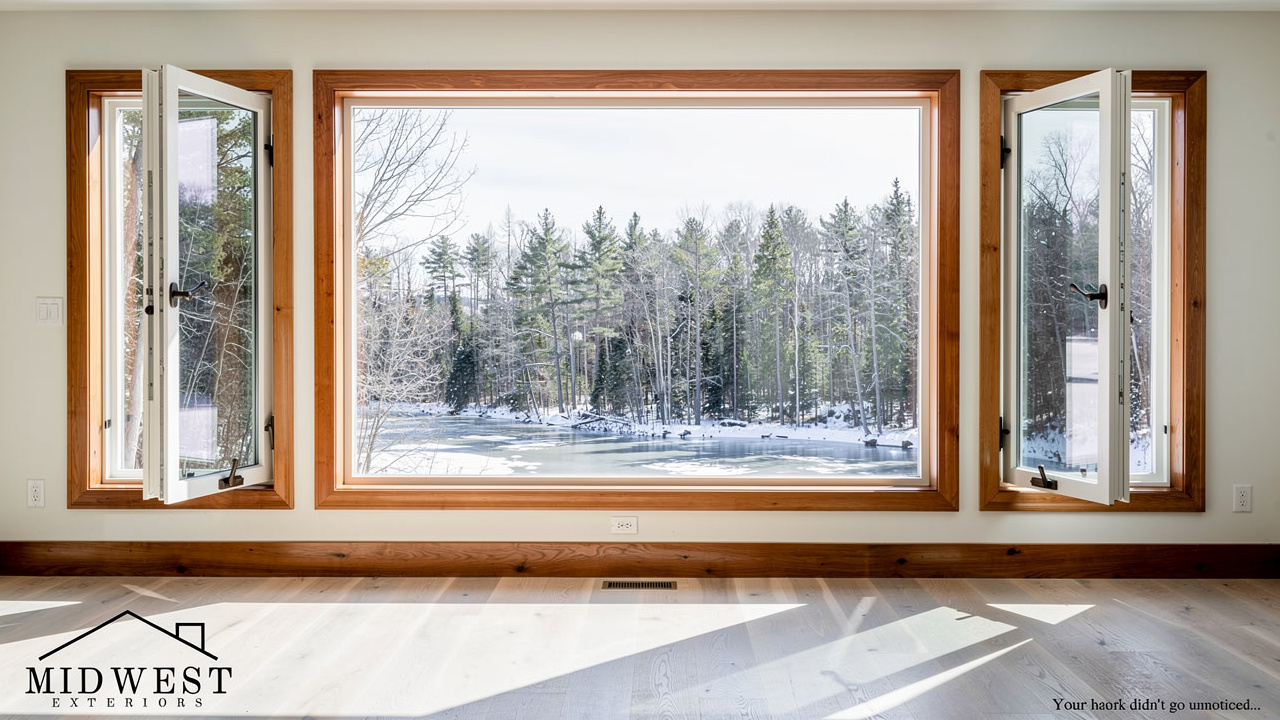
Picking the right window styles for a Northern Michigan home can feel like staring at a hardware store aisle with too many choices and no clear winner. Between double-hung, casement, awning, and picture windows, it is easy to get stuck wondering which one actually holds up against our wind and cold. That confusion usually comes from one simple gap, nobody has explained how each style performs once the temperature drops and the lake wind picks up.
This guide walks through the window styles homeowners around Traverse City and Northern Michigan actually use, why certain ones fit our climate better than others, and how fixed windows like picture and bay windows fit into the picture. It also covers how to match a style to your home's architecture and what the replacement process looks like when you work with a local crew. By the end, you should feel ready to make a confident decision instead of a guess. We will draw on our experience here at Midwest Exteriors, where we install windows across Williamsburg, Traverse City, and the surrounding area every week. Let's get into the styles that matter most for your project.
Key Takeaways
- Double-hung and casement windows cover the vast majority of Northern Michigan homes, each with a distinct advantage depending on how exposed your walls are to wind.
- Casement windows compress their seal fully when cranked shut, which makes a real difference on a windy winter night.
- Picture windows deliver views and natural light but offer zero ventilation, so they usually get paired with an operable window nearby.
- The architecture of your house matters just as much as personal taste when choosing a window style.
- Working with one local company that measures, orders, and installs with its own crew removes most of the guesswork from a replacement project.
What Are the Most Common Window Styles for Northern Michigan Homes?
The most common window styles here are double-hung and casement windows, with awning, sliding, and a handful of specialty styles filling in specific gaps. Each operates differently, and that difference in operation is exactly what determines how well a window handles our wind, snow load, and temperature swings, a relationship explored in research on energy and daylighting trade-offs in residential window design across varying climates.
Here's how each style moves:
- Double-hung: slides up and down
- Casement: cranks outward like a small door
- Awning: hinges at the top and swings out
- Sliding: glides side to side on a track
Specialty styles like hopper windows, pivot, and tilt-and-turn windows show up less often, but they solve specific problems in basements, bathrooms, and rooms where cleaning access is tight. The sections below break down each one so you can see where it fits on your own house.
Double-Hung Windows: The Northern Michigan Default
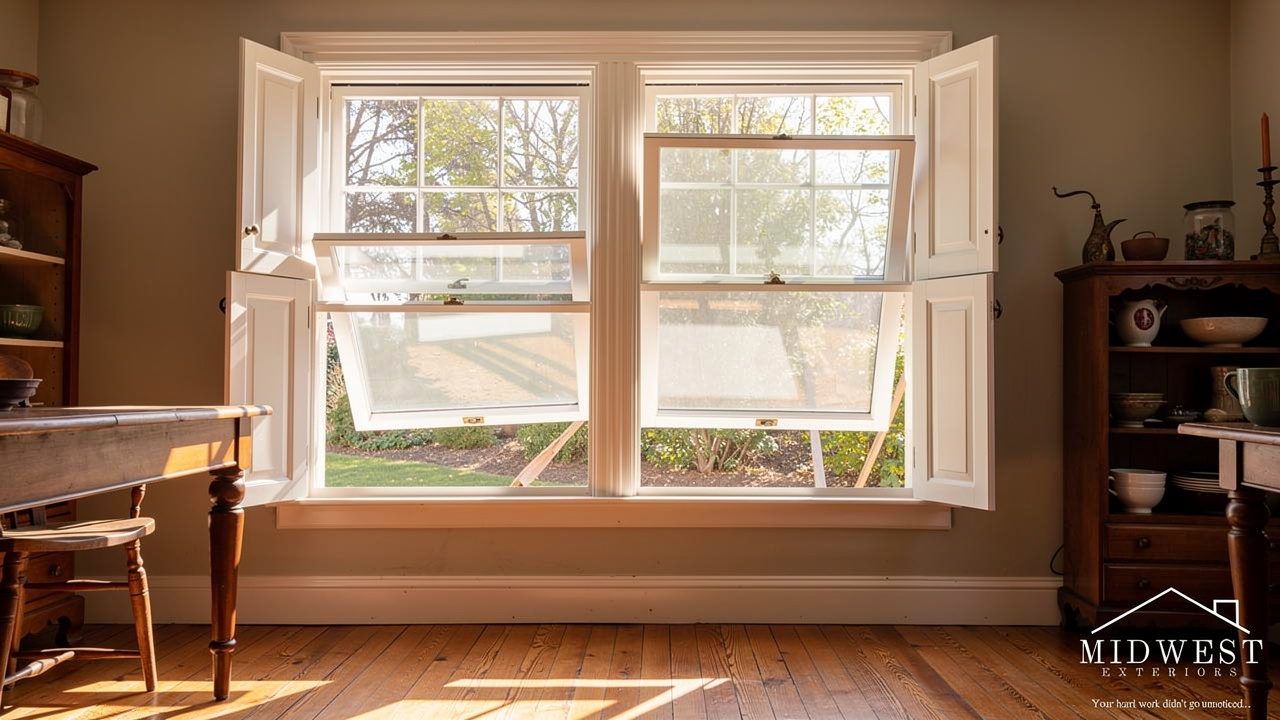
Double-hung windows remain the default choice for most homes in this region, largely because both sashes tilt inward for easy cleaning from inside the house. That single feature saves homeowners from hauling a ladder outside every spring. They strike a practical balance between upfront cost, familiarity, and solid performance in cold weather, which is why Midwest Exteriors installs this style more than any other across our service area.
Casement Windows: Built for Windy Nights
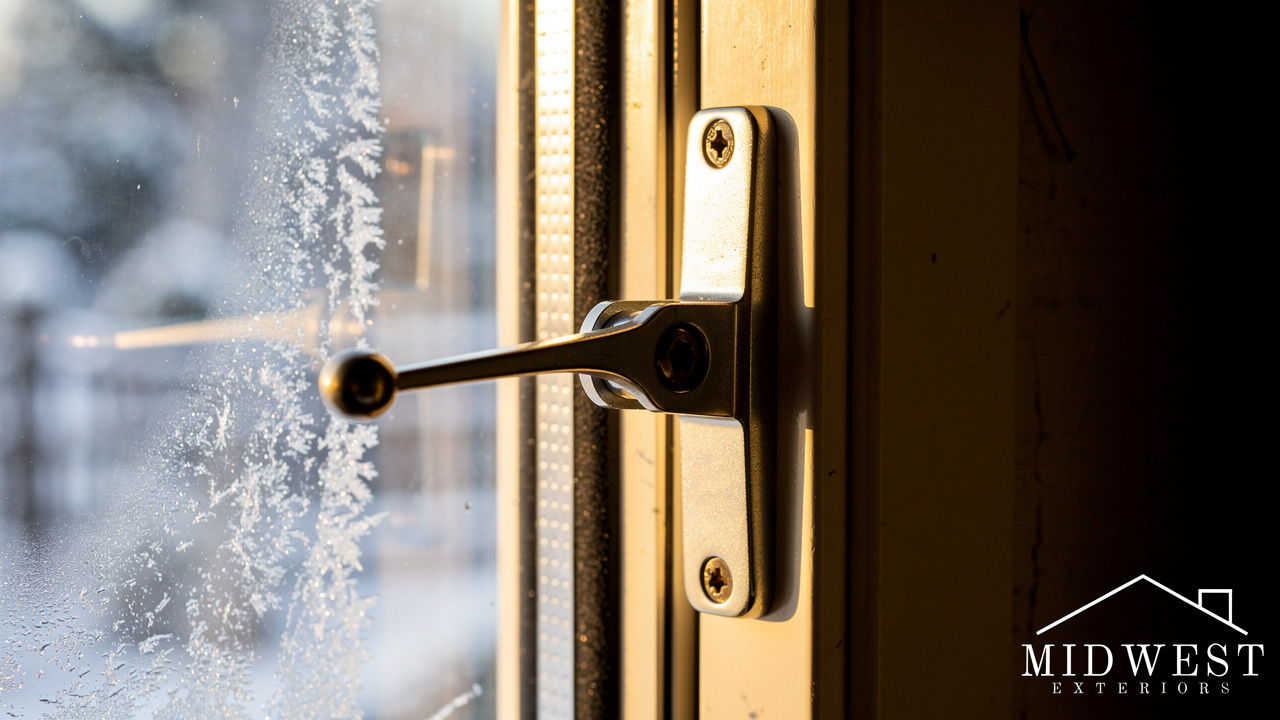
Casement windows use a hand crank that pulls the sash tight into the frame, compressing the weather seal around the entire opening as it closes. That tight compression is a genuine advantage on a windy Northern Michigan winter night, when a looser sliding sash can let cold air creep through at the edges. One tradeoff worth planning for is the clearance needed outside the window for the sash to swing open, so these work best away from decks, walkways, or tight side yards.
Awning and Sliding Windows
Awning windows hinge at the top and swing outward, which lets you crack them open for airflow even during a light rain without soaking the sill. Homeowners often pair them underneath a picture window, giving a room both a wide view and a usable source of fresh air. Sliding windows, on the other hand, glide horizontally on a track and need almost no effort to operate, making them a practical pick for spots where a swinging sash would run into furniture or a walkway.
Specialty Operating Styles: Hopper, Pivot, and Tilt-and-Turn
Hopper windows tilt inward from the bottom and show up most often in basements and utility rooms, where that inward swing does not interfere with anything stored nearby. Pivot and tilt-and-turn windows offer a hybrid of ventilation and cleaning access, letting the sash crack open for air or swing fully inward for washing the outside glass from indoors. These styles come up less often in a typical Northern Michigan renovation, but they are worth asking about if you have a hard-to-reach window or a basement space that needs better airflow.
What Are Picture Windows and Other Fixed Window Options?
Fixed windows, including picture windows, are styles that do not open at all and exist purely to let in light and frame a view. The obvious tradeoff is that a fixed window provides zero ventilation on its own, so homeowners typically combine one with an operable window nearby to get both the view and the airflow. These styles work especially well in rooms built around a scenic backdrop, since there is no sash or screen breaking up the glass. Below are two of the most common fixed and specialty options homeowners ask about.
Picture Windows: Maximizing Views Without Moving Parts
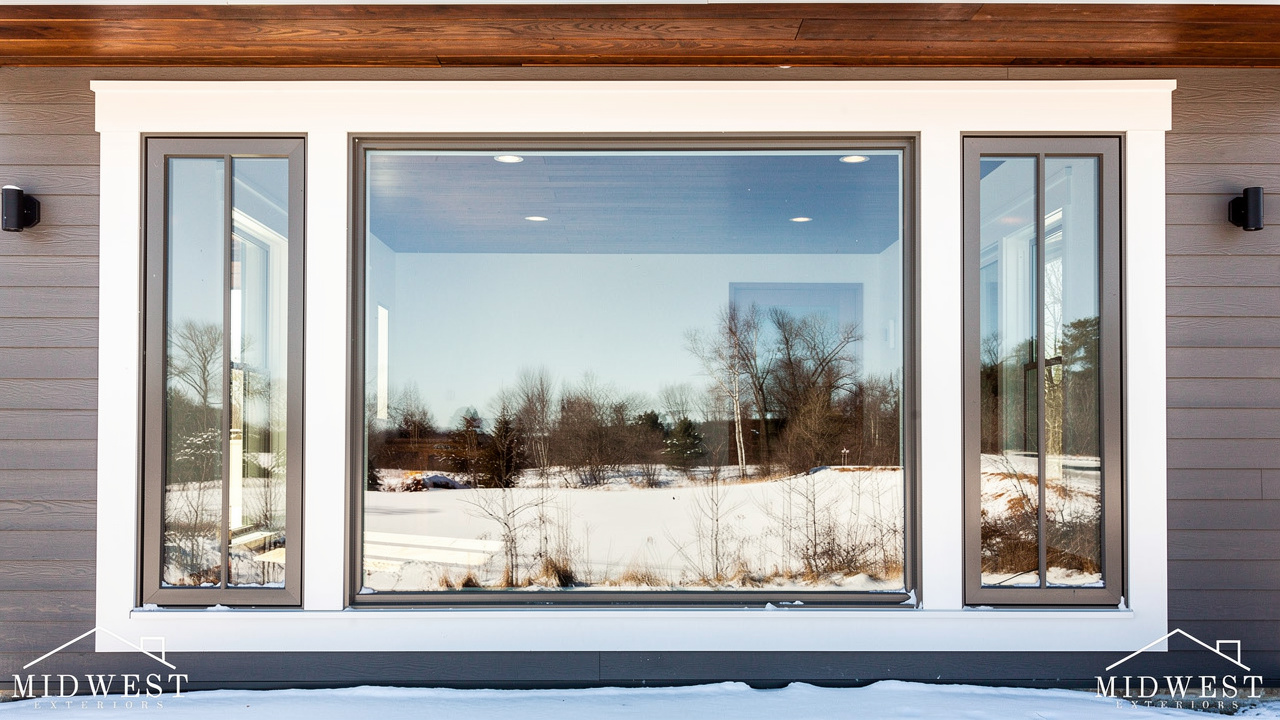
Picture windows are sealed units with no moving parts, which means there is no track or weather seal that will wear down or need adjustment over the years. They get paired with flanking casement windows or an awning above when a room needs some airflow alongside the view. Living rooms, great rooms, and any space built around a lake or treeline view tend to get the most value out of this style.
Bay Windows, Transoms, and Other Architectural Accents
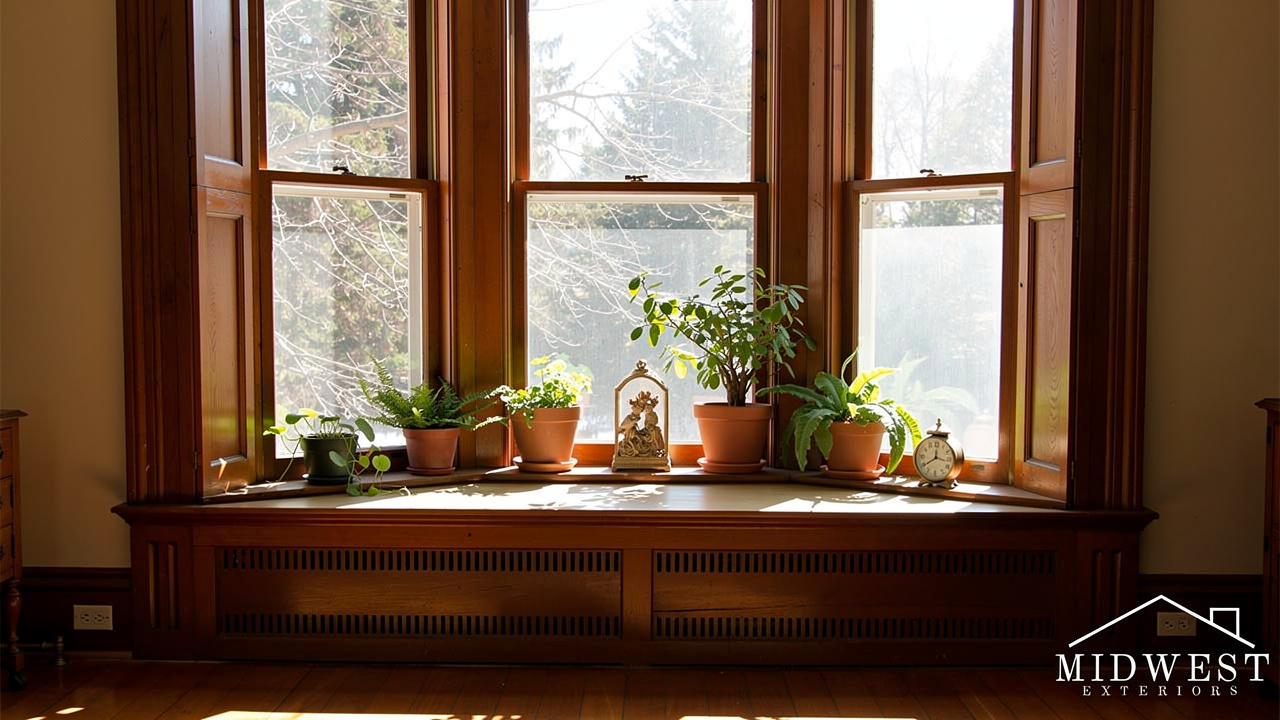
Bay windows project outward from the wall in three or more angled panels, pulling in light from multiple directions and adding real depth to a room. Transoms and sidelights, by contrast, are smaller accent windows placed above or beside an entry door, framing it with extra light without changing how the door functions. Bay windows tend to suit older, traditional homes with the wall structure to support the projection, while transoms work on nearly any entry, old or new.
How Do I Choose the Right Window Style for My Home?
Choosing the right window style comes down to matching the window to your home's architecture, the room's purpose, and how exposed that wall is to wind and weather. A style that looks great on a lakeside contemporary home might feel out of place on a traditional farmhouse, and a window that performs fine on a sheltered porch wall might struggle on an exposed north face. Budget and maintenance tolerance matter here too, since some styles cost more upfront but ask less of you over time, a balance that an AI-driven multi-objective framework for optimizing window dimensions also weighs when modeling energy demand against comfort. The two sections below give you a practical way to work through these decisions.
Matching Style to Your Home's Architecture
Traditional homes generally look best with double-hung windows set in classic proportions, since that style has been paired with colonial and farmhouse design for generations. Contemporary homes tend to suit casement windows or large picture windows, which support the cleaner lines that modern architecture favors. Many homeowners find a middle ground by mixing styles, such as a central picture window flanked by two casements, which balances view, airflow, and visual interest in one opening.
Questions to Ask Before You Decide
Before settling on a style, consider the following:
- Does the room actually need ventilation, or does it simply need more light? That single question rules picture windows out for some rooms and in for others.
- How exposed is that wall to prevailing wind? A casement window's tighter seal matters more on an exposed gable than on a sheltered side yard.
- How much maintenance are you willing to take on? A household that travels often may prefer a style with fewer moving parts to worry about.
Midwest Exteriors measures the exact openings on your home before anything gets ordered, which removes the guesswork that leads to ill-fitting replacements. That measurement step also gives you a chance to ask these questions directly with someone who has seen hundreds of Northern Michigan homes and knows which styles hold up best in specific spots.
What Should I Expect When Replacing Windows With Midwest Exteriors?
Replacing windows with Midwest Exteriors follows a clear sequence, starting with an in-home measurement and ending with a scheduled, single-day install. The goal is to remove the uncertainty that usually makes homeowners put off a replacement project, things like who will be in the house, how long walls stay open, and what happens if something goes wrong after the crew leaves. We answer those questions before you ever sign anything, not after. The two sections below cover what that process actually looks like from start to finish.
Our Process: From Measurement to Install Day
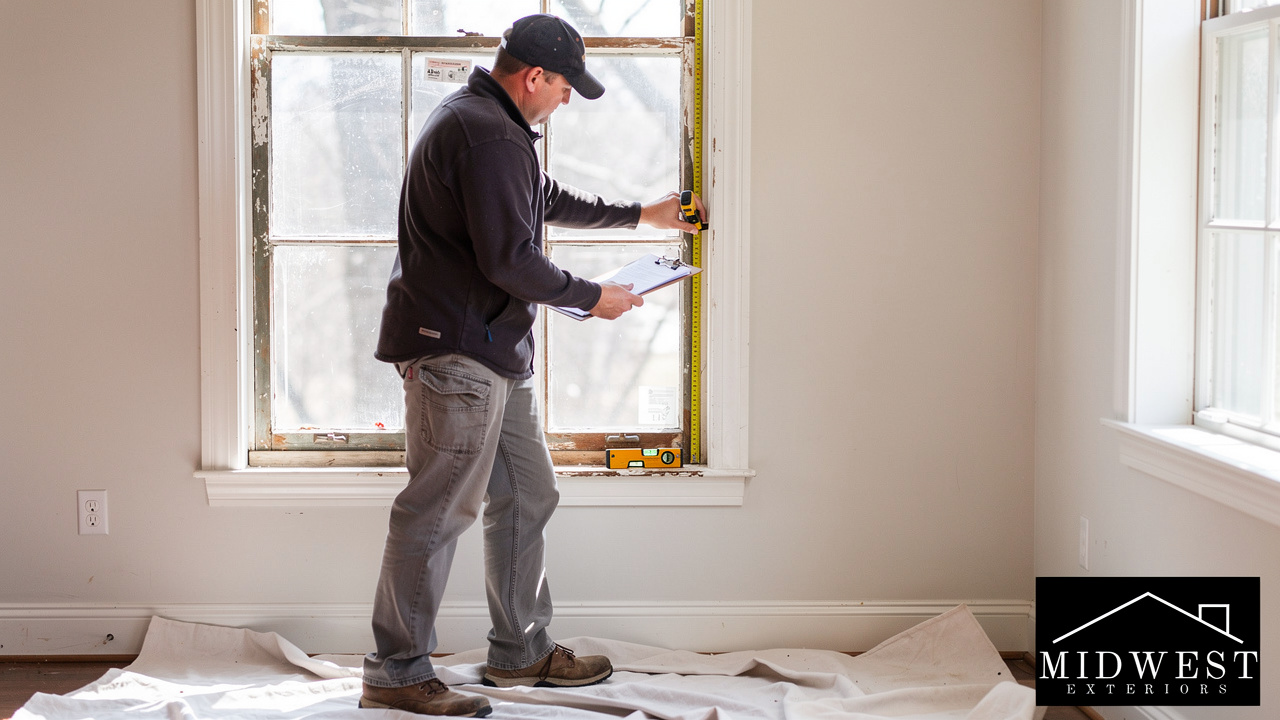
An estimator starts by measuring your existing openings and handing you a written quote with no obligation attached to it. Once you decide to move forward, you get a real install date before the order even goes to the factory, not a vague promise to follow up later. Our own employed crew, not a subcontractor, handles the installation from start to finish, which keeps the same team accountable from quote to completion.
Why One-Day Installs and Local Accountability Matter
Most window replacement jobs wrap up in a single day, and any opening that gets opened that morning is closed again before the crew leaves, so your house is never left exposed overnight. As an authorized Sunrise dealer, product, warranty, and service calls all run through one accountable channel instead of bouncing you between a manufacturer and an installer. Our crews and office are based in Williamsburg, just outside Traverse City, so you are talking to a local team rather than a call center somewhere else entirely.
Frequently Asked Questions
What's The Difference Between Double-Hung And Casement Windows?
Double-hung windows slide vertically with two movable sashes, while casement windows crank outward on a side hinge like a small door. Casement windows seal tighter against wind because the crank compresses the seal fully, while double-hung windows tend to be more familiar and budget-friendly for most homeowners.
Can I Mix Window Styles On The Same House?
Yes, mixing styles is common and often works well, such as combining a picture window with flanking casements or an awning above. This approach balances views, ventilation, and architectural interest without forcing one window style to do everything on its own.
How Do I Know If My Old Windows Need Replacing?
Old windows rarely fail all at once. Instead, they get harder to open, develop frost between the panes, and the room around them slowly falls out of use because it feels drafty or cold. The company offers a foggy window diagnostic tool online that can help you confirm what you are seeing before scheduling an estimate.
Will Replacing My Windows Leave My House Exposed Overnight?
No, any opening that gets opened during a standard window replacement is closed again the same day before the crew leaves. Larger whole-home projects follow a different, clearly explained timeline that your estimator walks you through before any work begins.
Do Different Window Styles Affect Energy Efficiency?
Yes, window style affects how tightly a window seals, and that seal tightness directly impacts draft resistance during Northern Michigan's winter wind. Casement windows generally seal tighter than sliding styles because the crank mechanism compresses the seal as it closes.
How Much Does It Cost To Replace Windows In Northern Michigan?
Cost depends mainly on the number of openings being replaced, the frame and glass package you choose, and the condition of the existing openings. An accurate number requires an in-home measurement rather than a generic online estimate, since every house is a little different.
The Takeaway
Double-hung and casement windows handle the vast majority of Northern Michigan homes, with casement earning its keep on exposed, windy walls and double-hung covering everything else with proven, affordable performance. Fixed and specialty styles like picture windows, bay windows, and hopper windows fill in the gaps where a specific room needs more light, more view, or better access without a full operable sash. The right choice always comes back to three things, your home's architecture, how much ventilation each room actually needs, and how exposed that wall is to our wind and winter weather.
If you are weighing these options for your own home, a free in-home estimate takes the guesswork out of the decision. Reach out to Midwest Exteriors for a no-pressure conversation about which window styles make the most sense for your house, your budget, and the Northern Michigan weather you live with every winter.